
Metamorpolis feature in Newsweek Japan
Metamorpolis was featured this summer on 3 double pages in Newsweek Japan.
Shanghai Urban & Middle Class Story for L'express & L'expansion
A few photos taken in medium format for a double story I worked for L'express & L'expansion on the urbanisation and the middle class in Shanghai


BBC & TV interview & feature for Metamorpolis
This mont I did a couple of TV & Radio interview about the launch of Metamorpolis - check them here
Metamorpolis Book Launch in New York City
Last Wednesday, I had the pleasure to be invited to give a talk at the Asia Society Museum in New York city for the launch of my new book Metamorpolis . The presentation was recorded, you can view it here if you wish to know the stories behind the book and the photos !
If you want to purchase the book or to have information on where you can get it - please check the book official website : Http://www.metamorpolis.com.
Luxury Brand & Exhibition photographer for Louis Vuitton in Asia
In the past few weeks I was commissioned through Actu Asia & Propaganda Studio to document & Photograph the Louis Vuitton Series 2 in Beijing China & Seoul, South Korea. It was a really good experience working in those great cities on the same project. On top of photographing the spaces, I ve documented the visit from celebrities such as Jennifer Connely, Fang Bing Bing, Tang Yan in China, Doona Bae or Clauda Kim in South Korea.
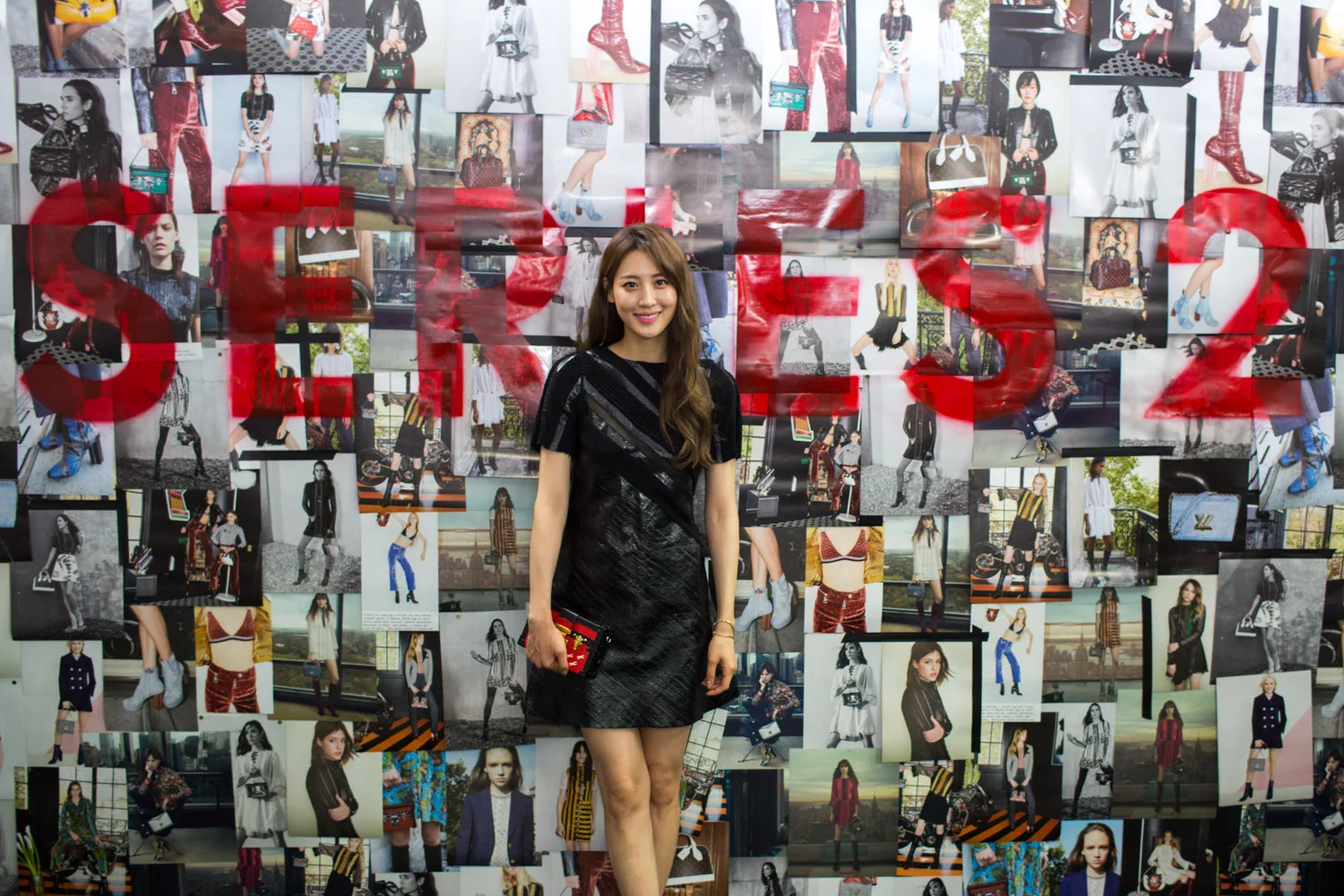
Kim Soo-hyun
Tang Yan
Tang Yan
Soo Young Choi of Girl's Generation
Tang Yan
Fan BingBing
Vip Guest
Jennifer Connely
Tim Franco is a Seoul & China based photographer available for commercial assignment
Teaser for upcoming book about Chongqing !
Coming soon in march !!!
Exiting news will arrive soon about upcoming book - follow me on twitter or facebook to get the latest news !
Polaroid Portrait Photographer
As our Studio & Agency were opening its door for a special evening, I have decided to portray each of our guest with a 4x5 land camera and polaroid films. Here are the results and the video of our event !
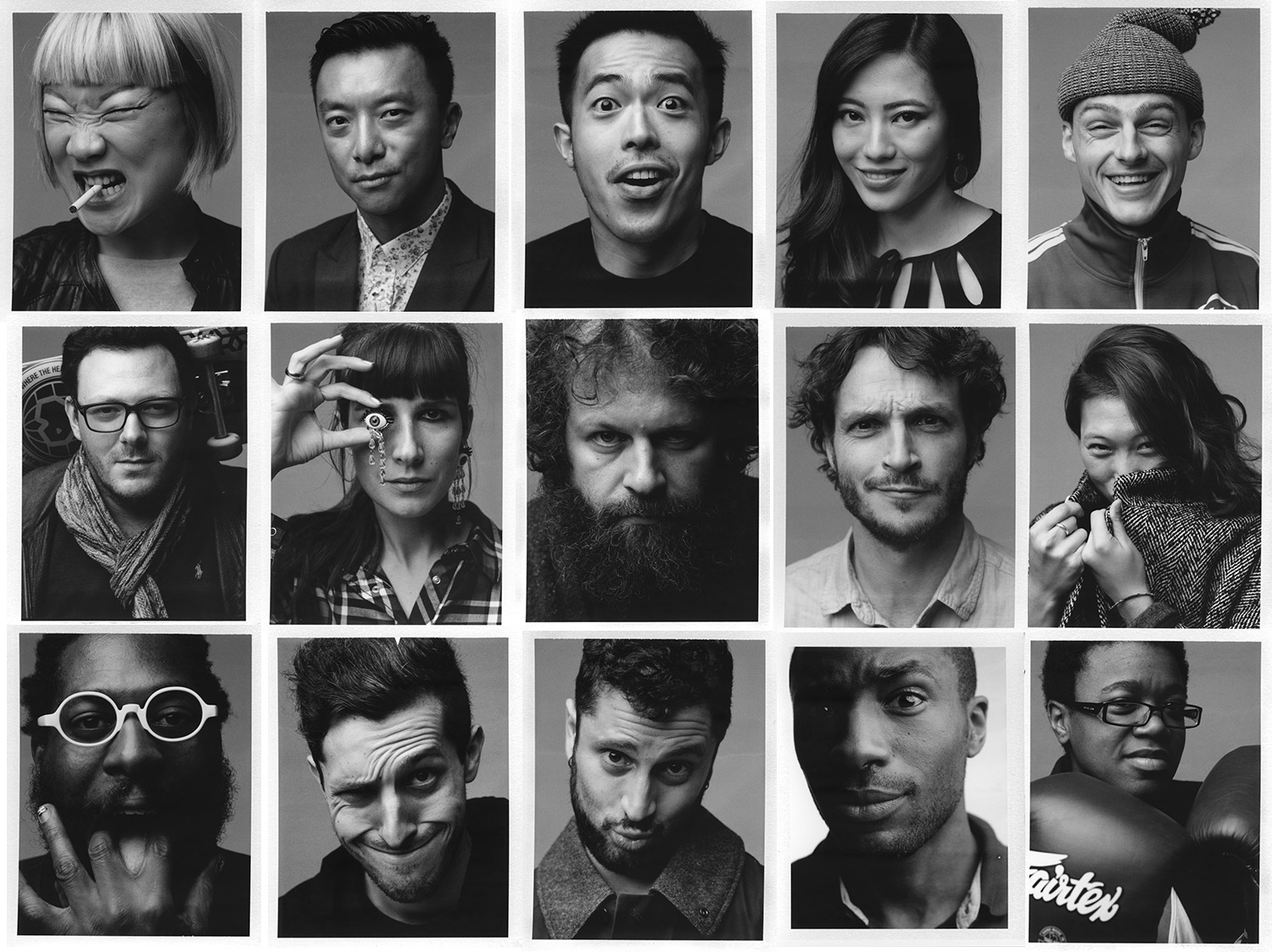
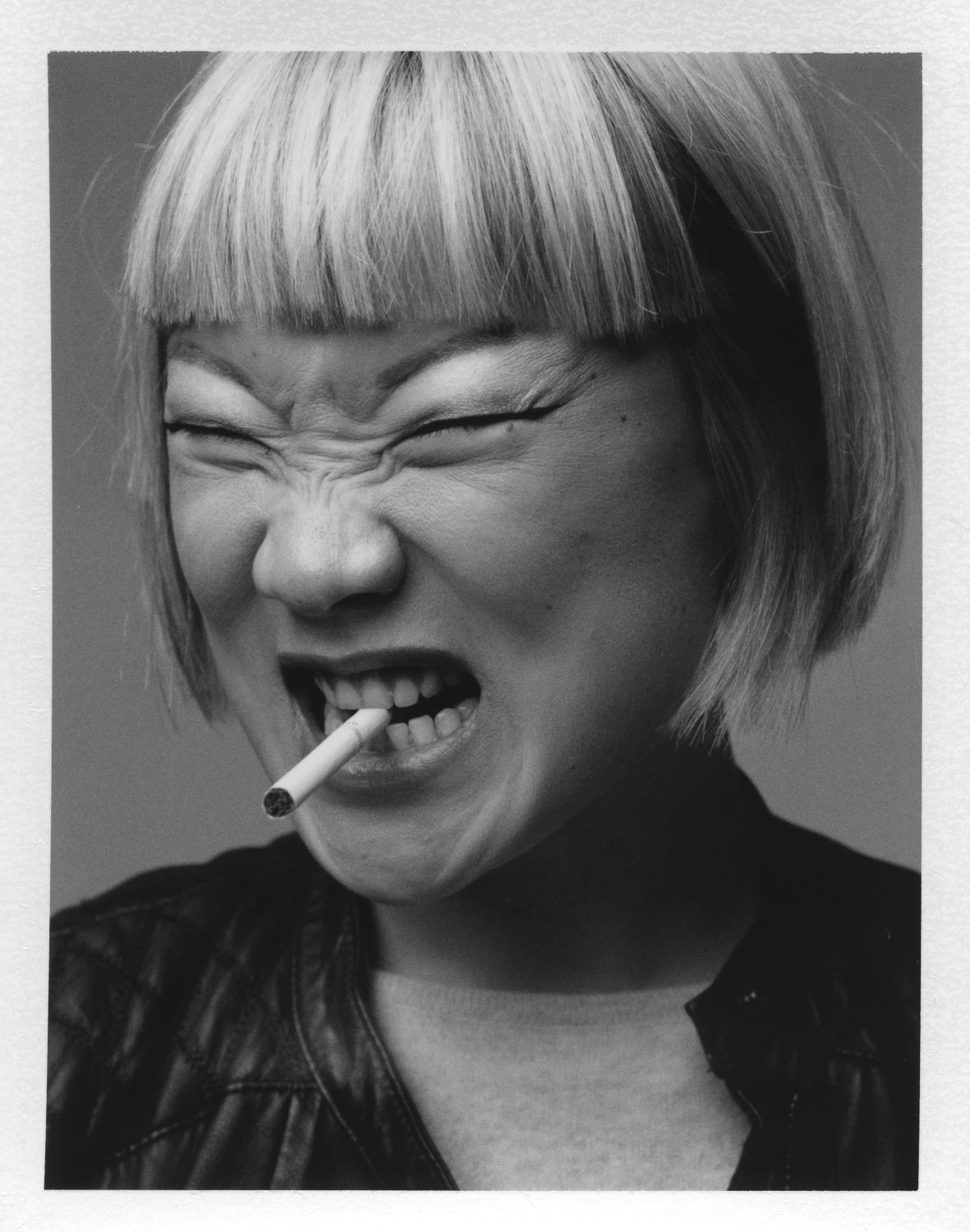
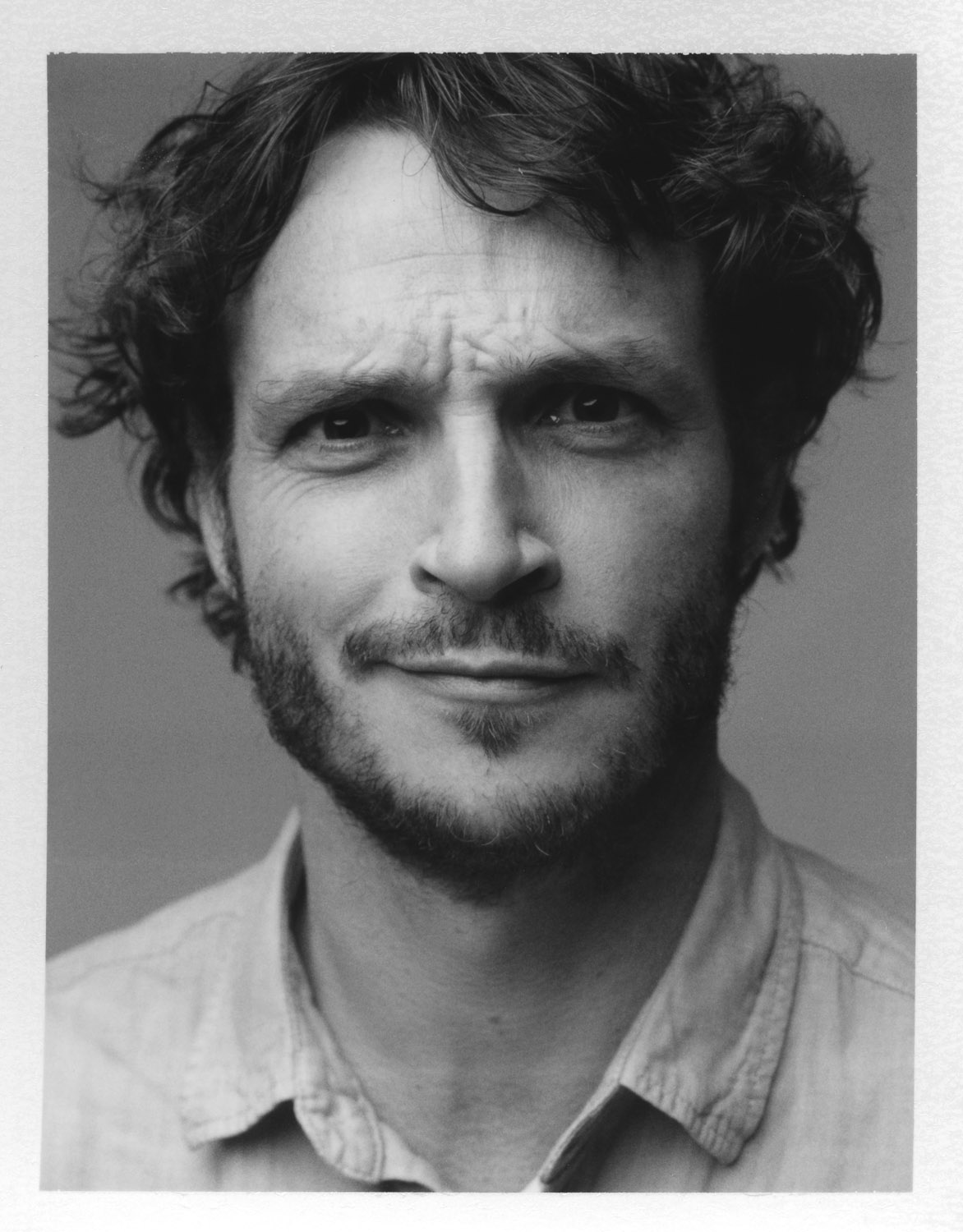
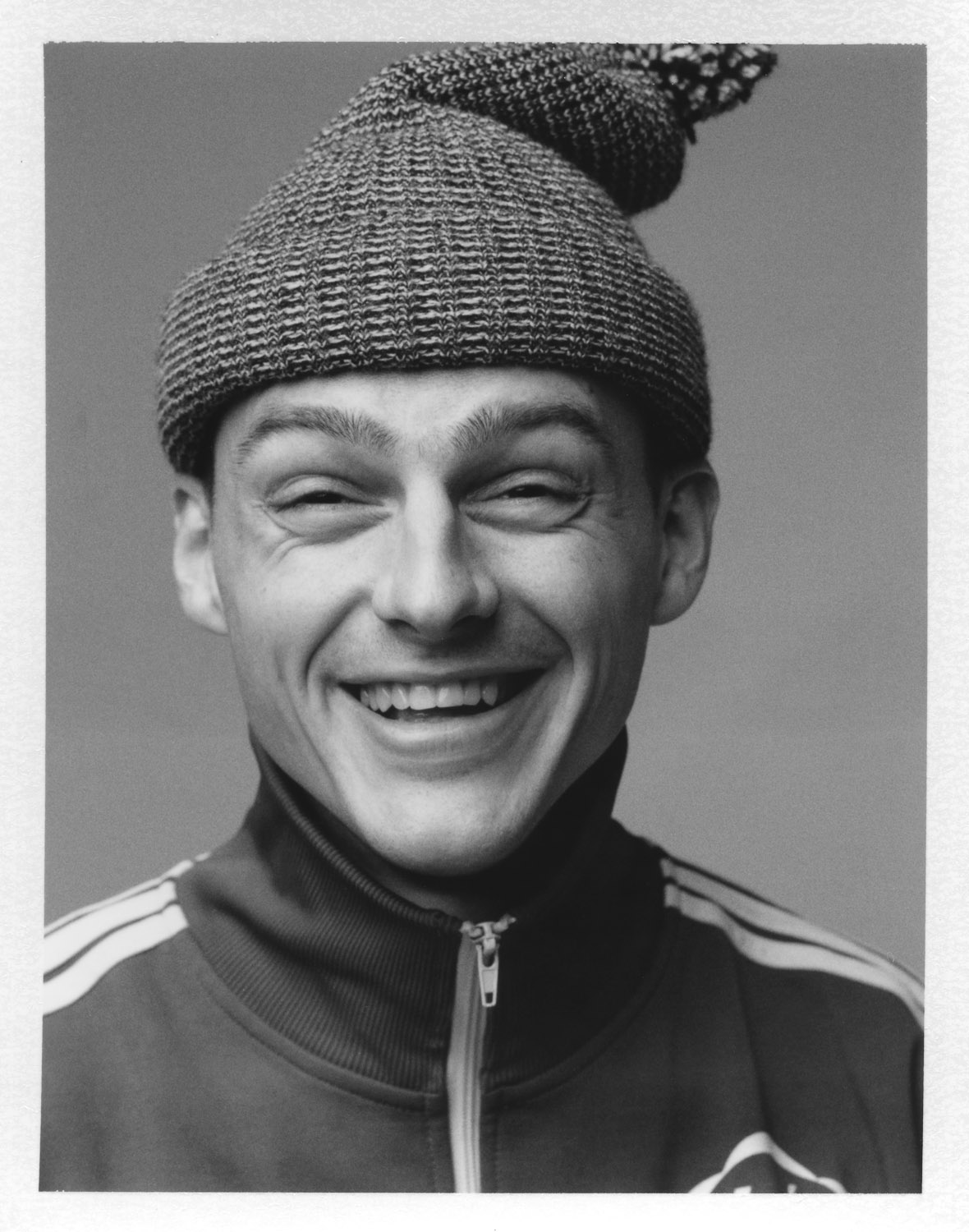
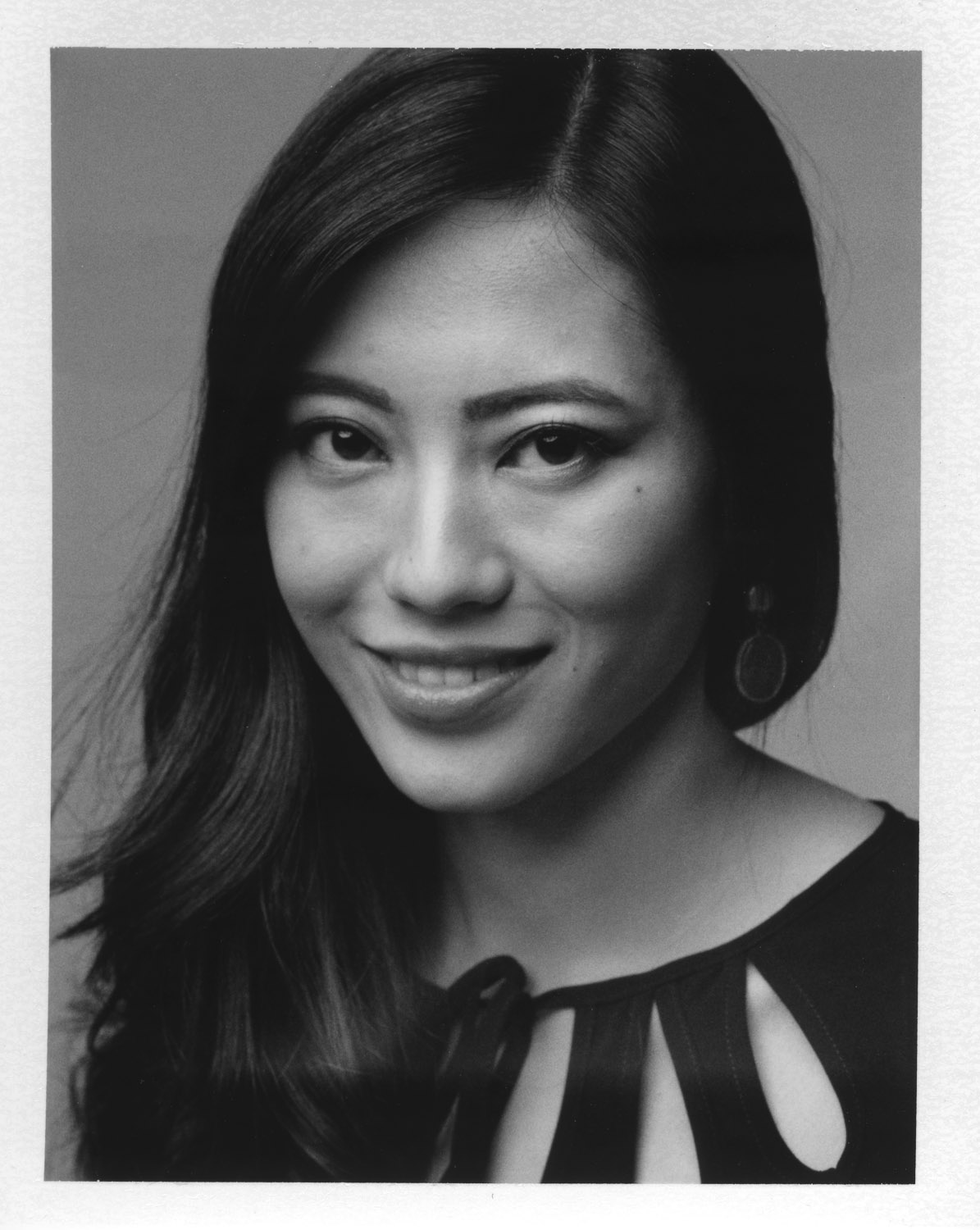
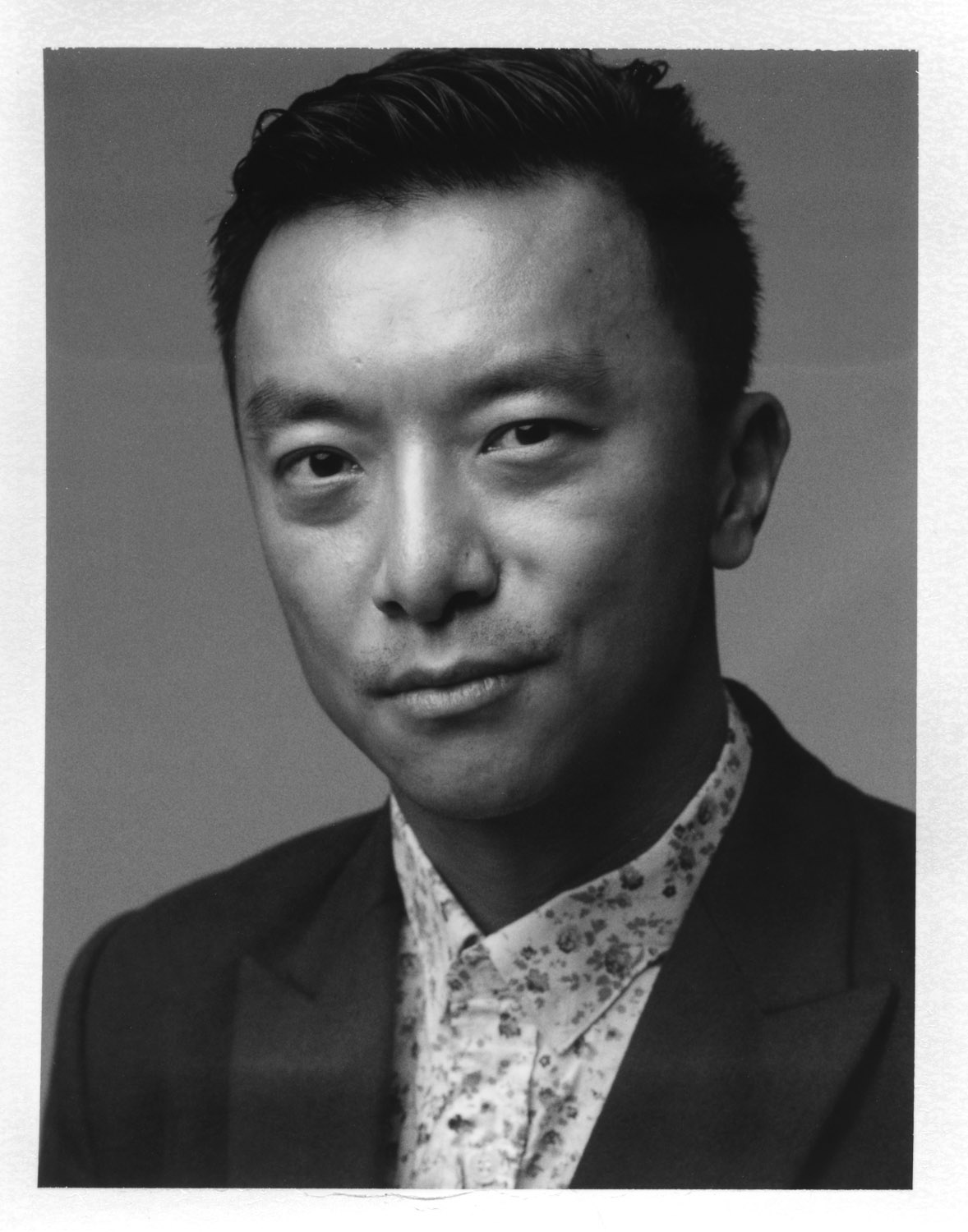
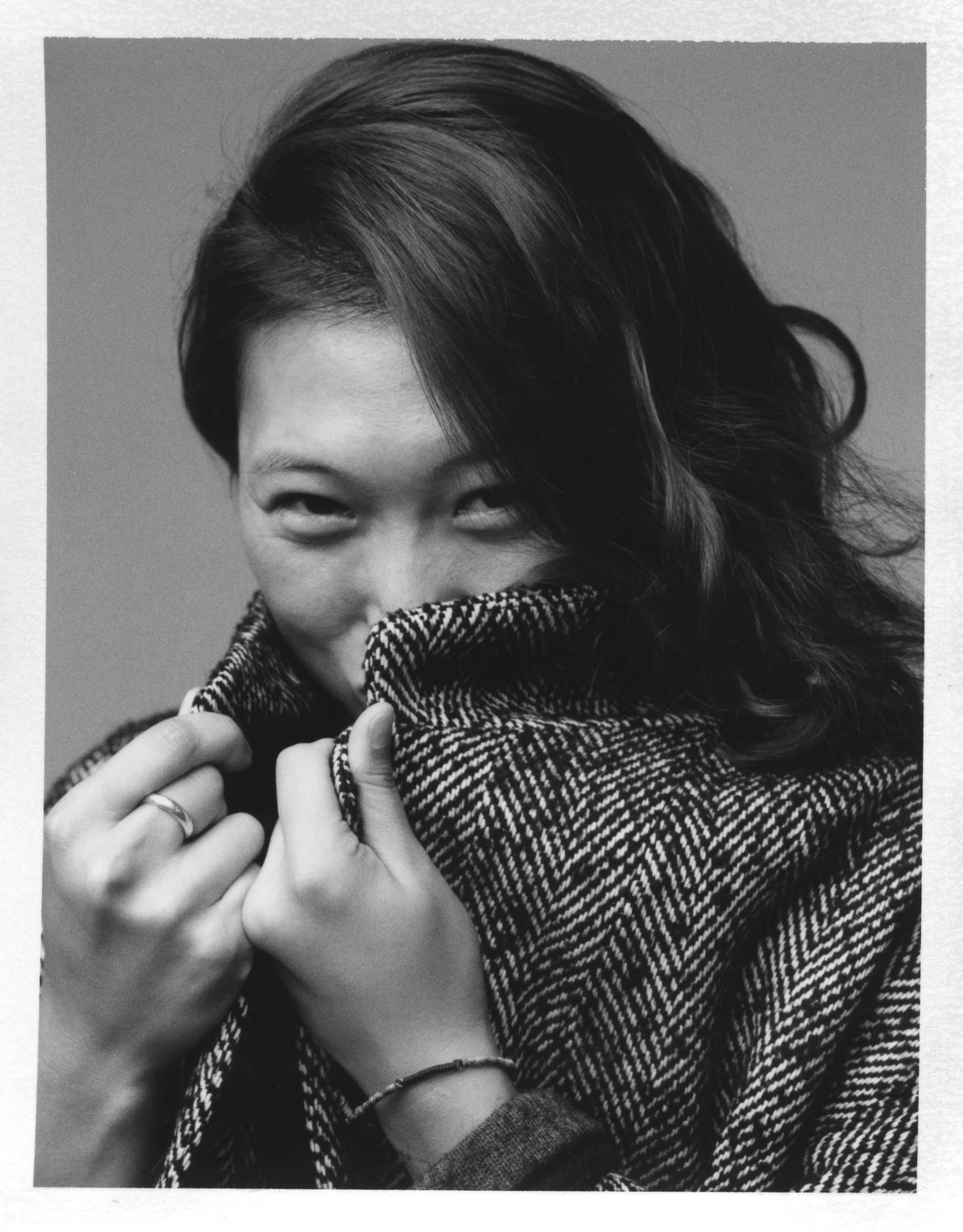
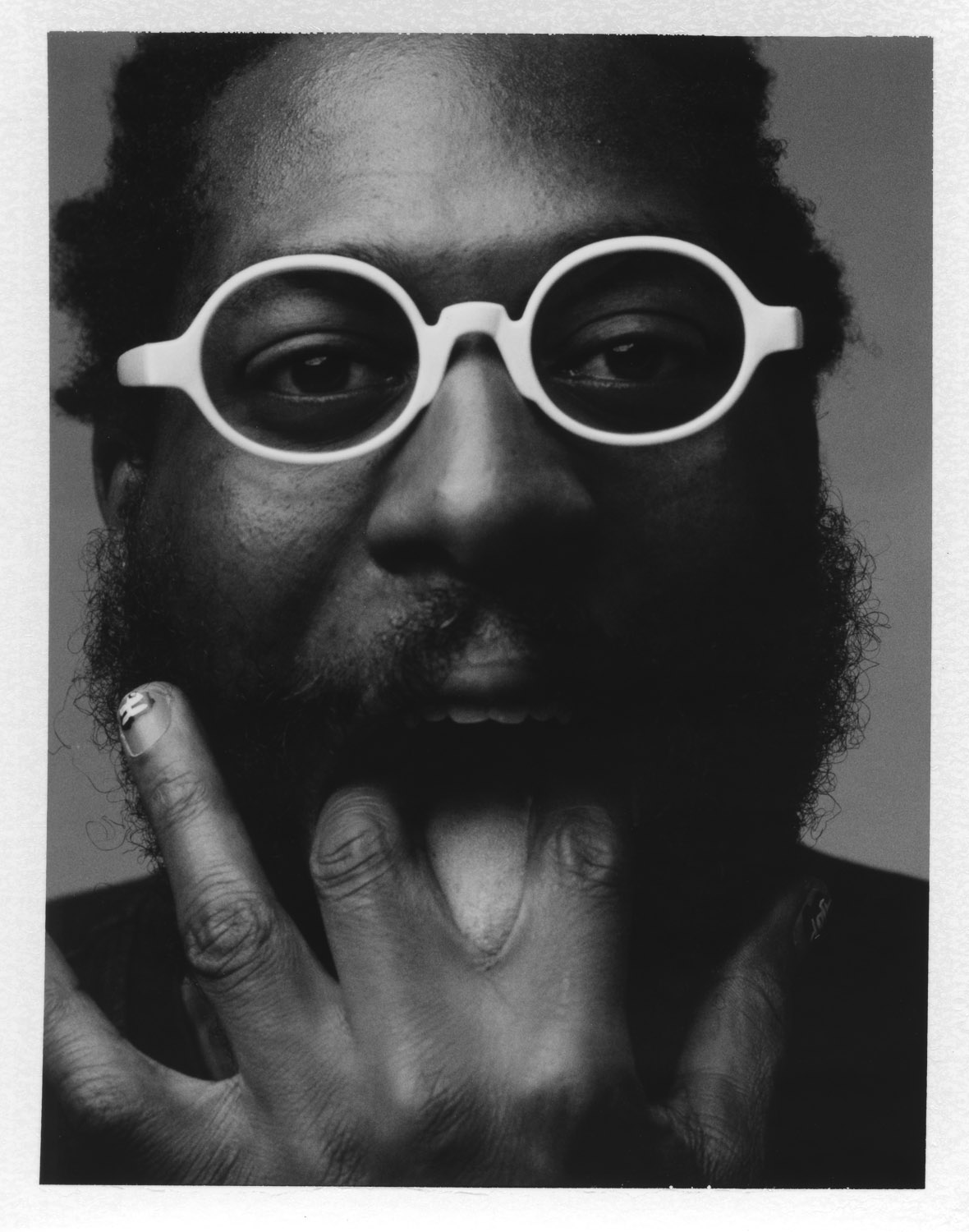
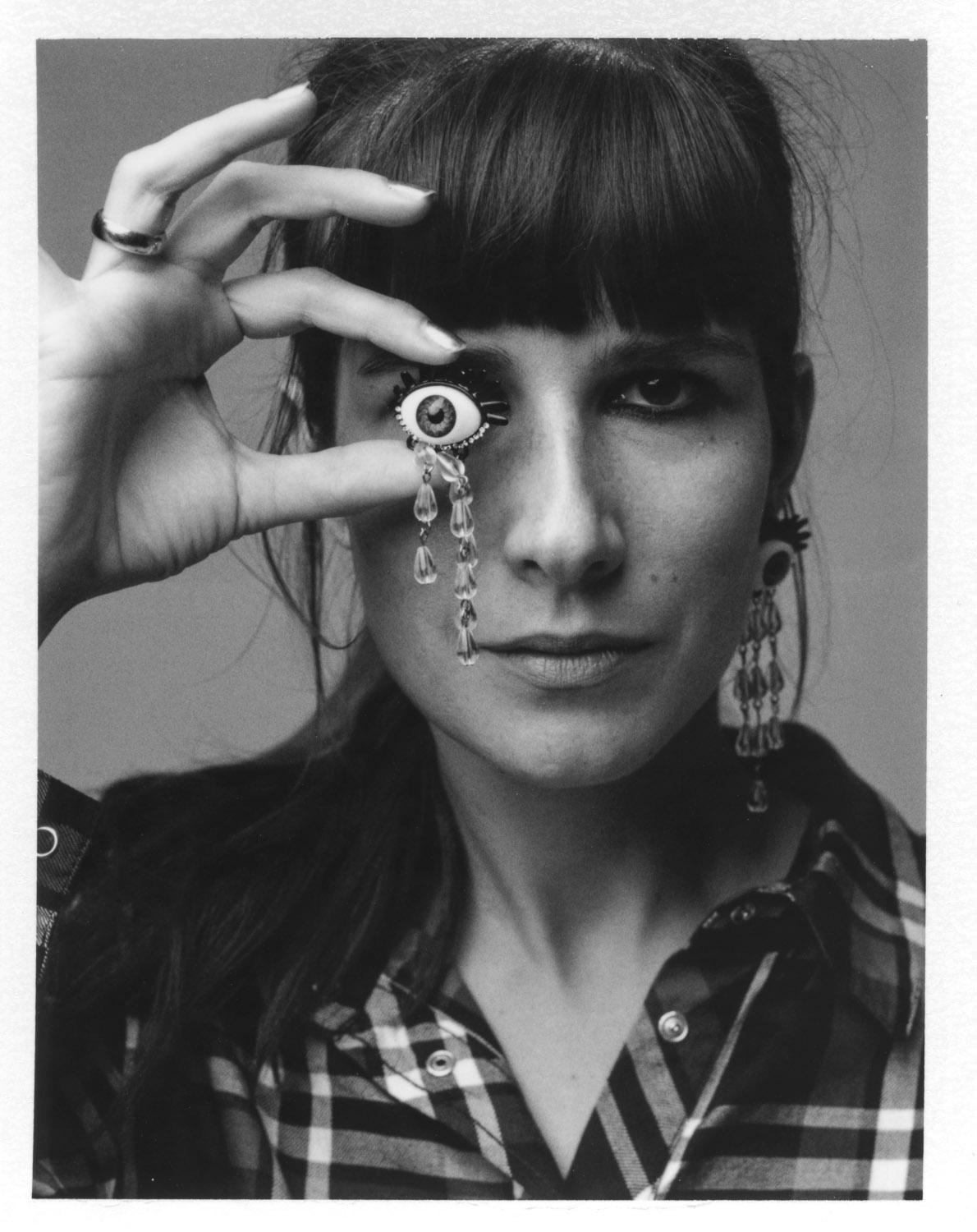
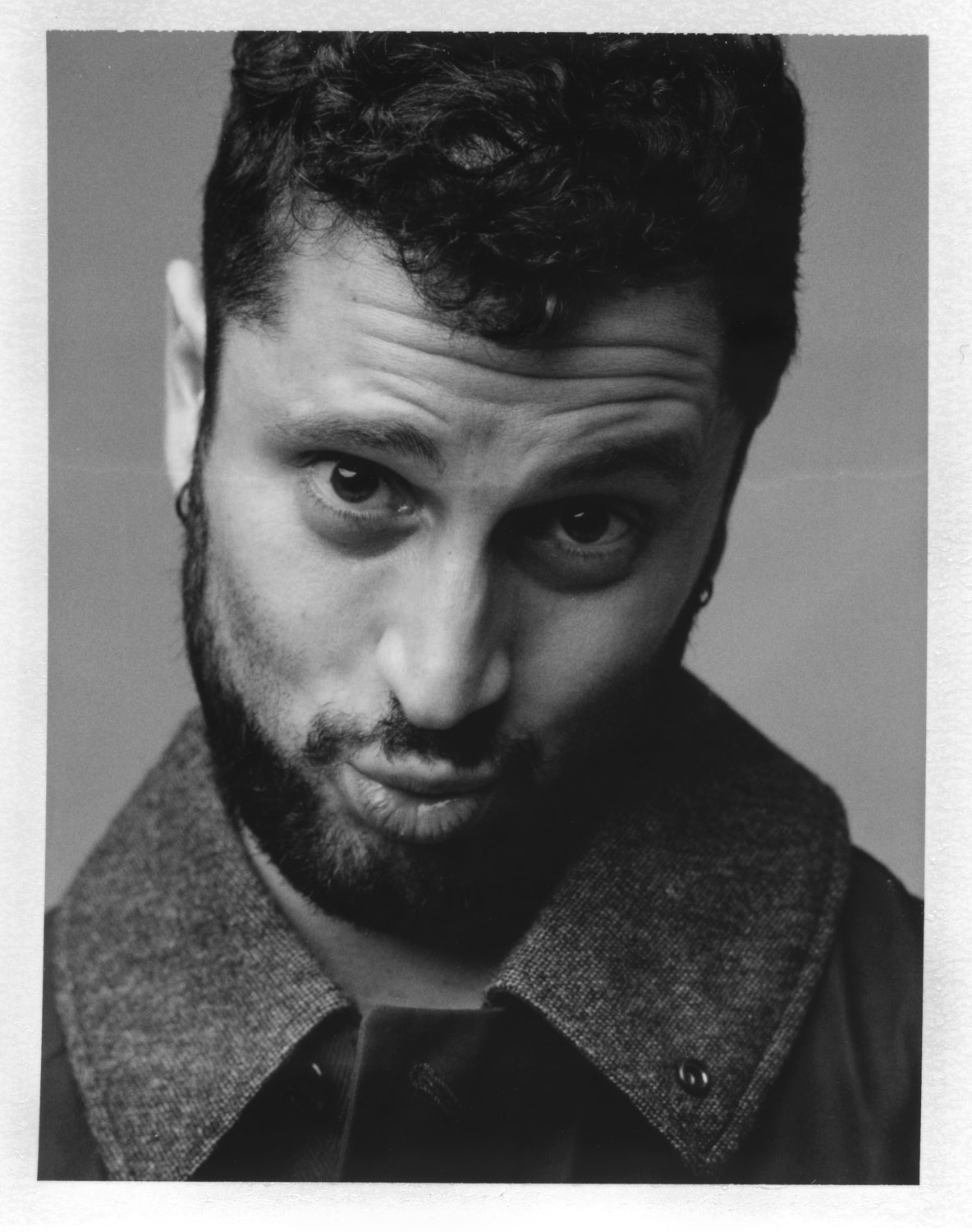
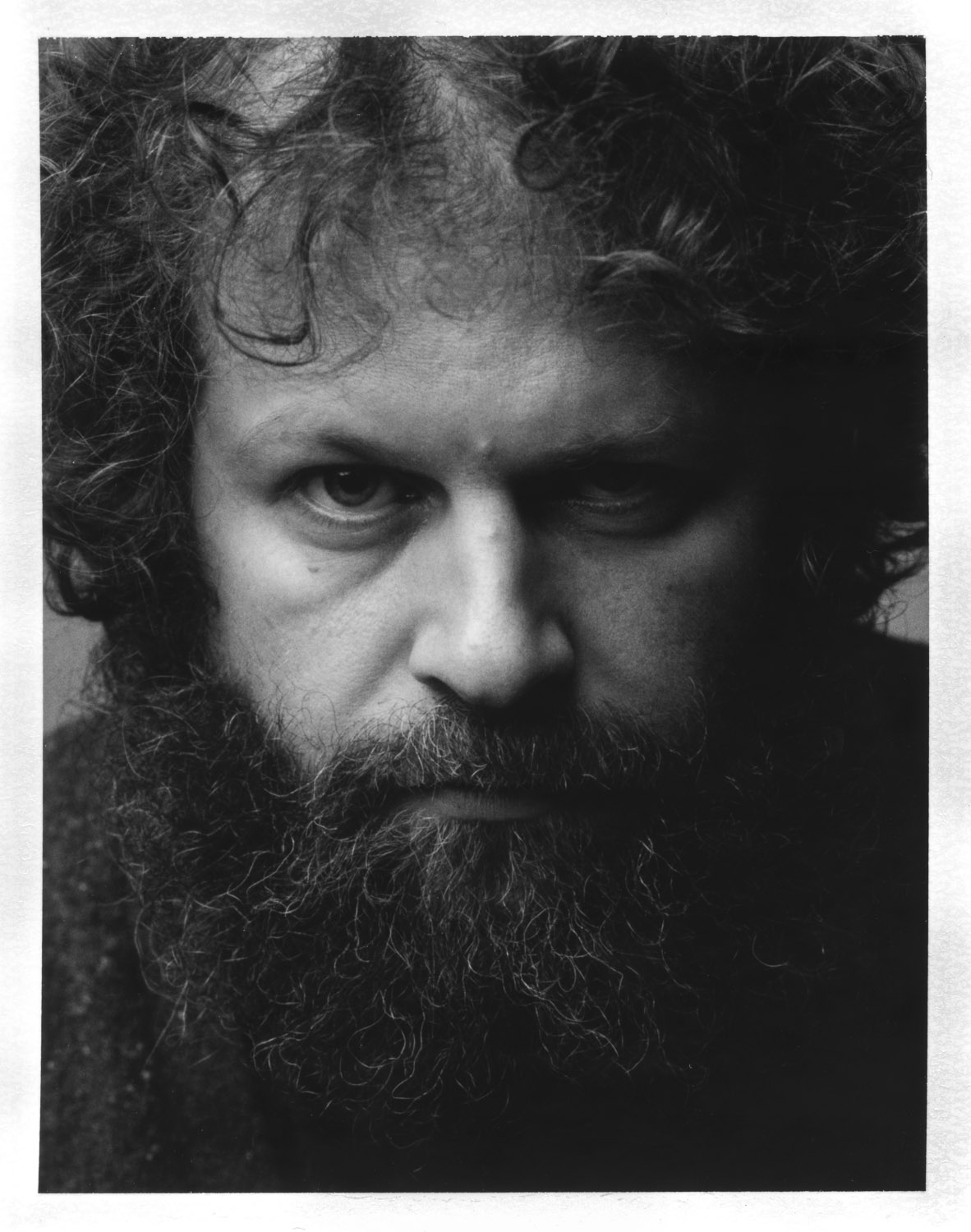
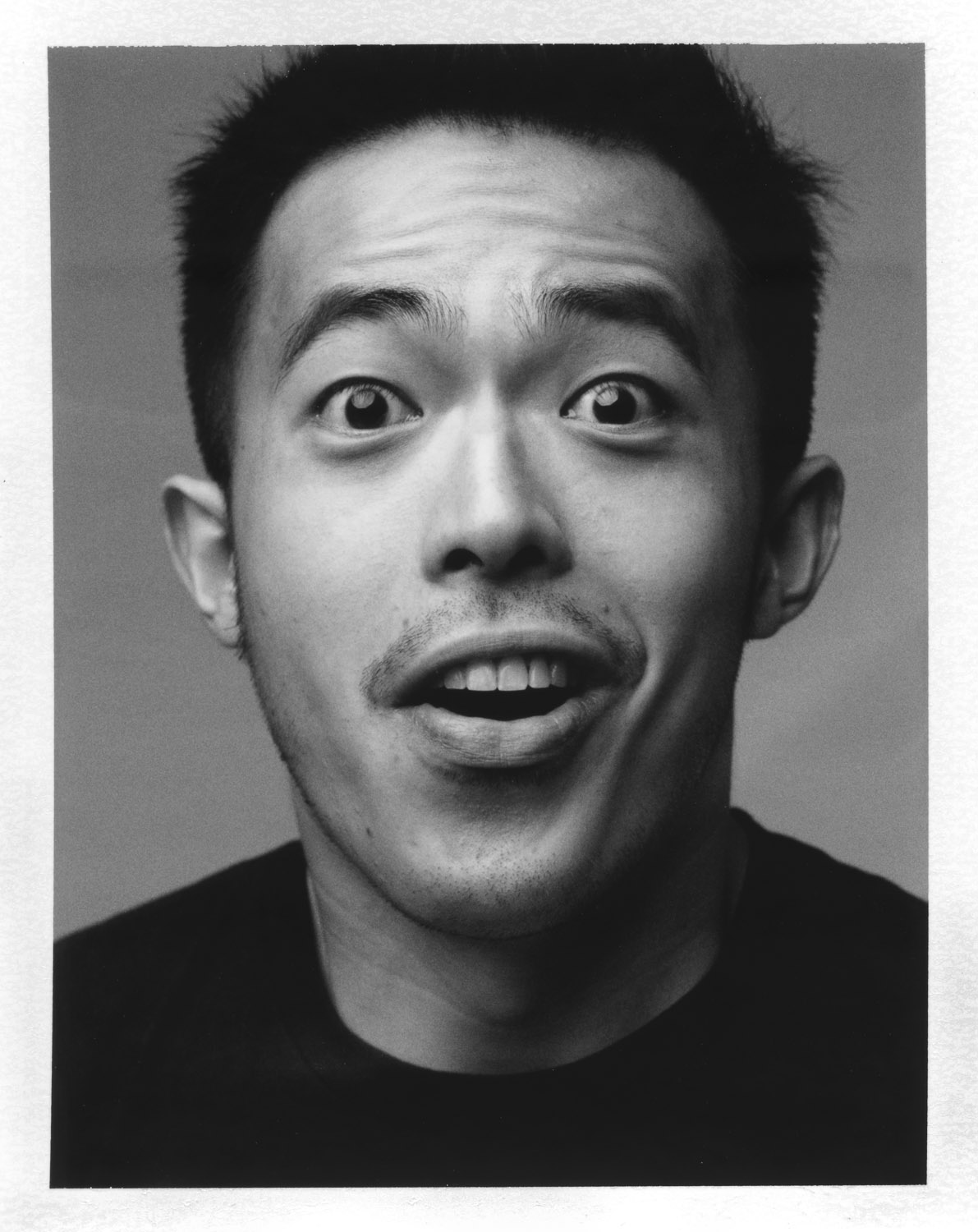
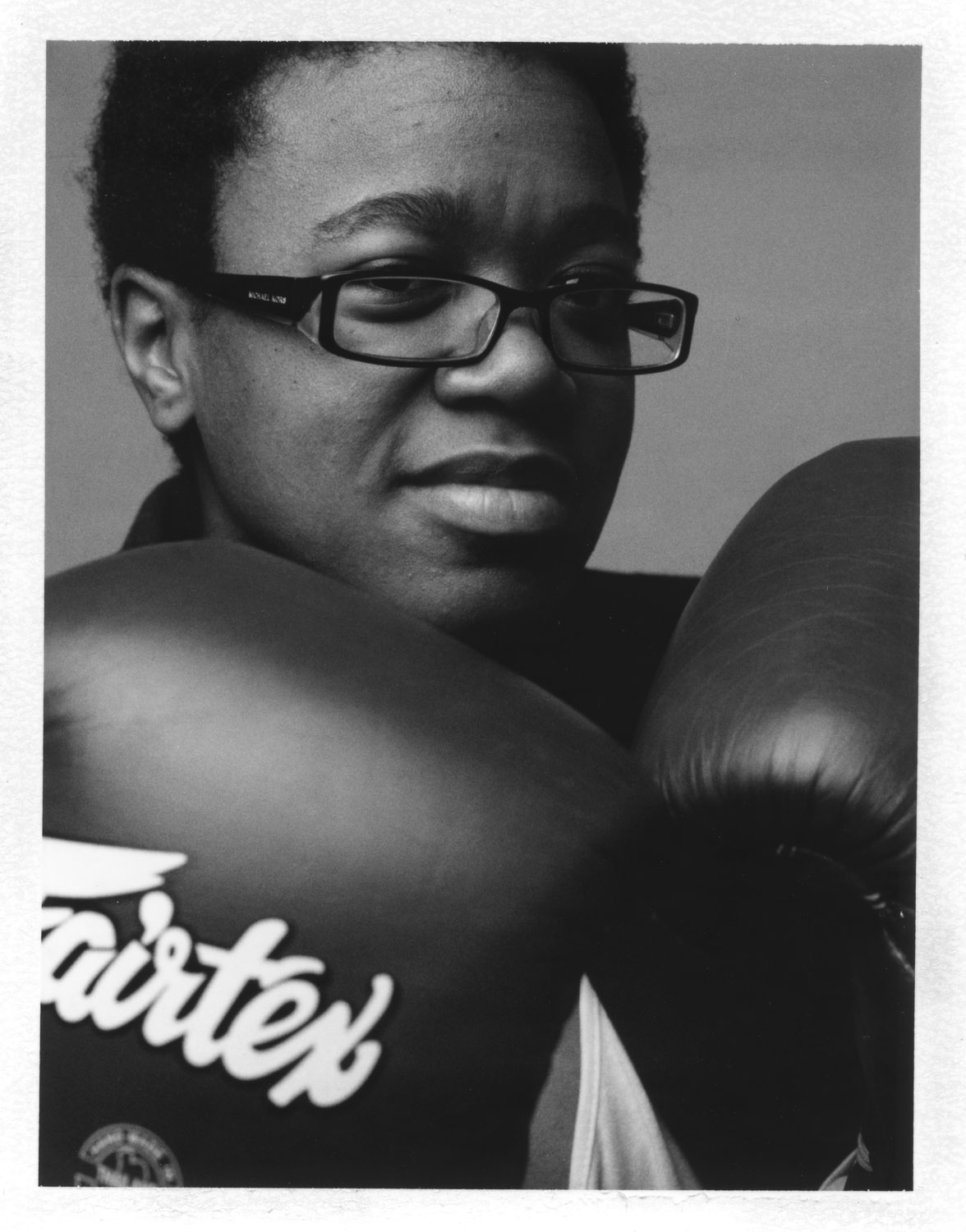
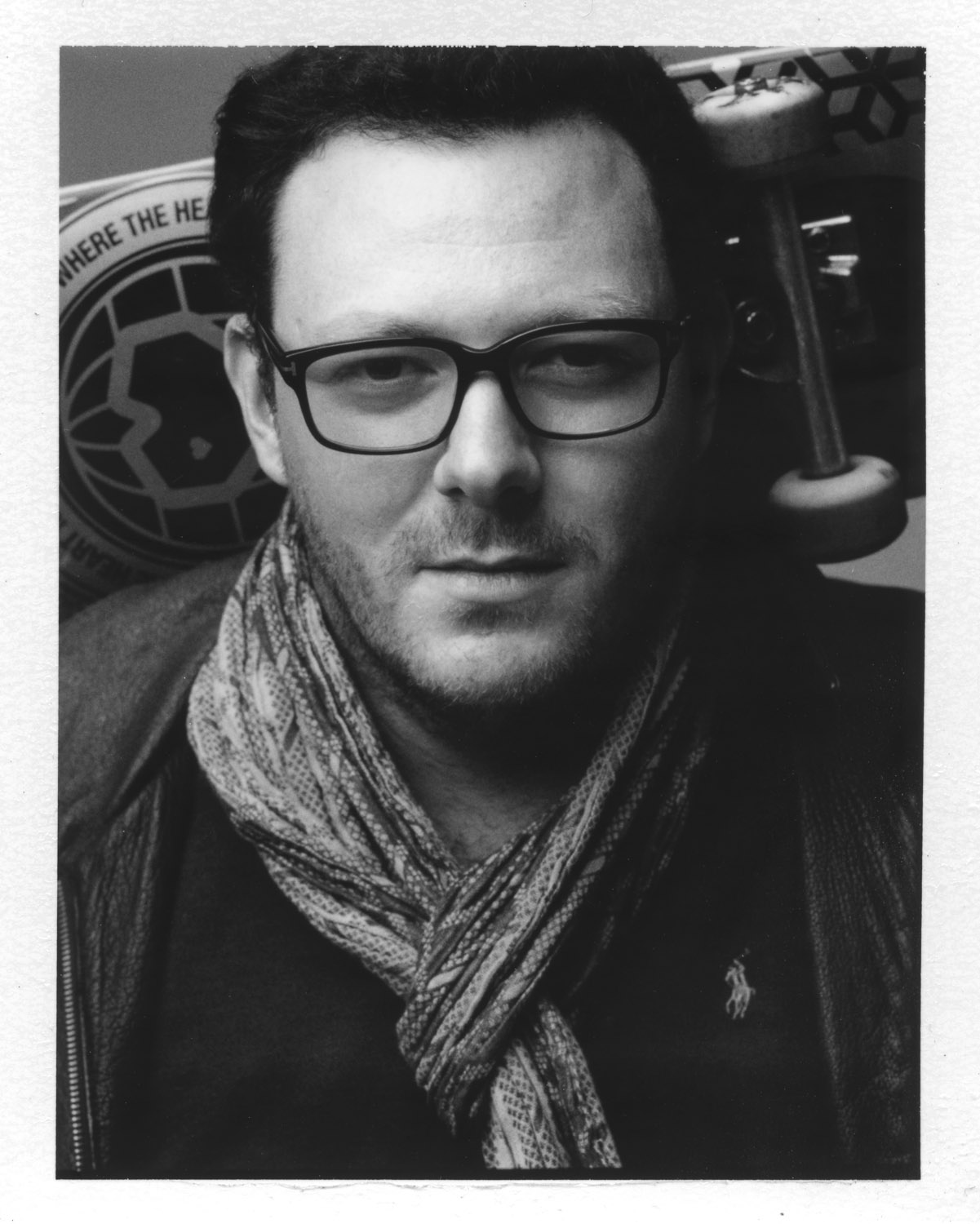
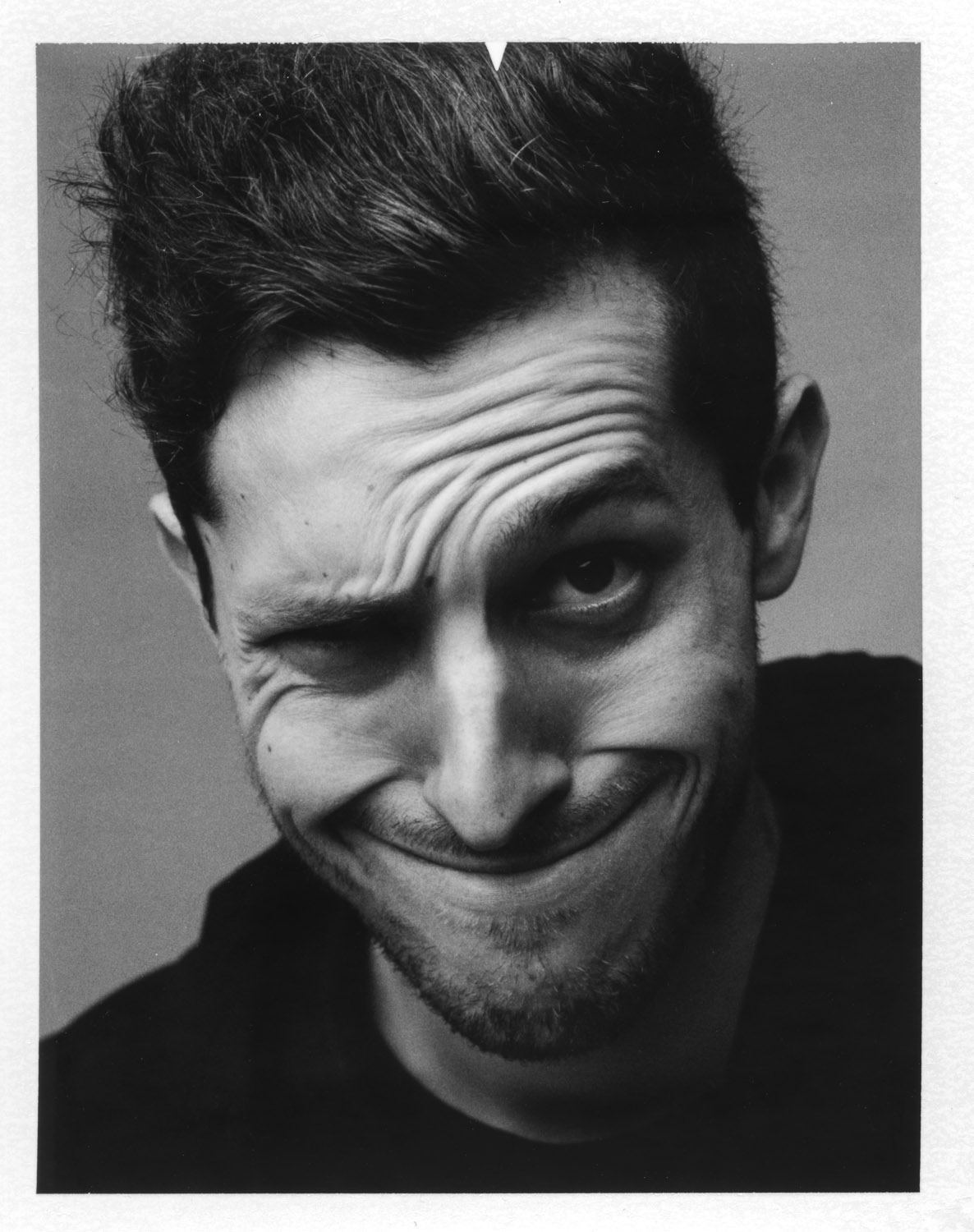
Available for portrait photography in Shanghai, Seoul, China, South Korea.
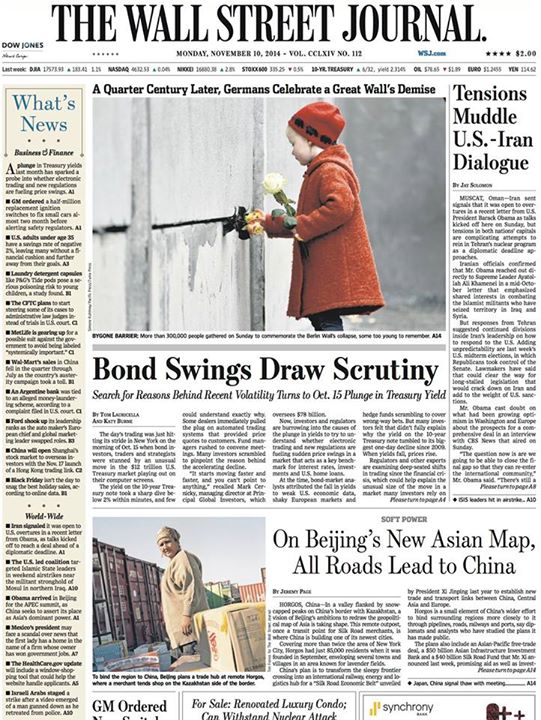
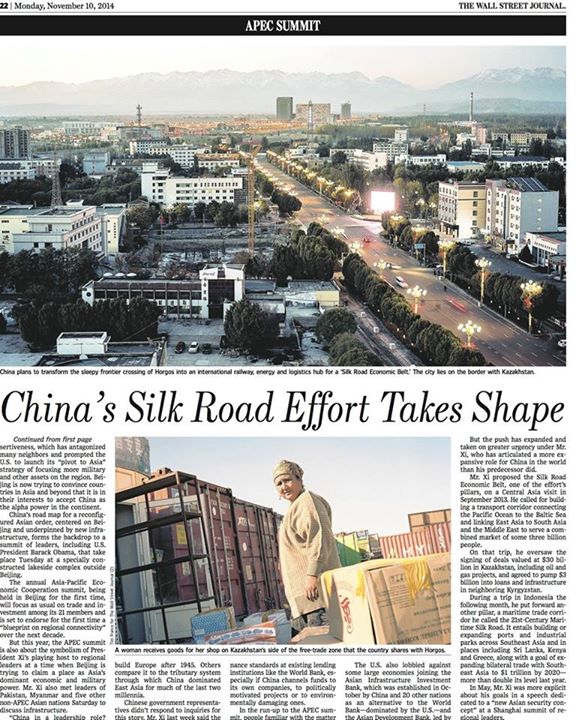
Horgos - Kazakhstan new free trade zone with China
A press clip and photos from my latest work on the China - Kazakh Free trade zone in Horgos. I was assigned by the Wall Street Journal to cover it for a front page story.


Interview on current & upcoming books
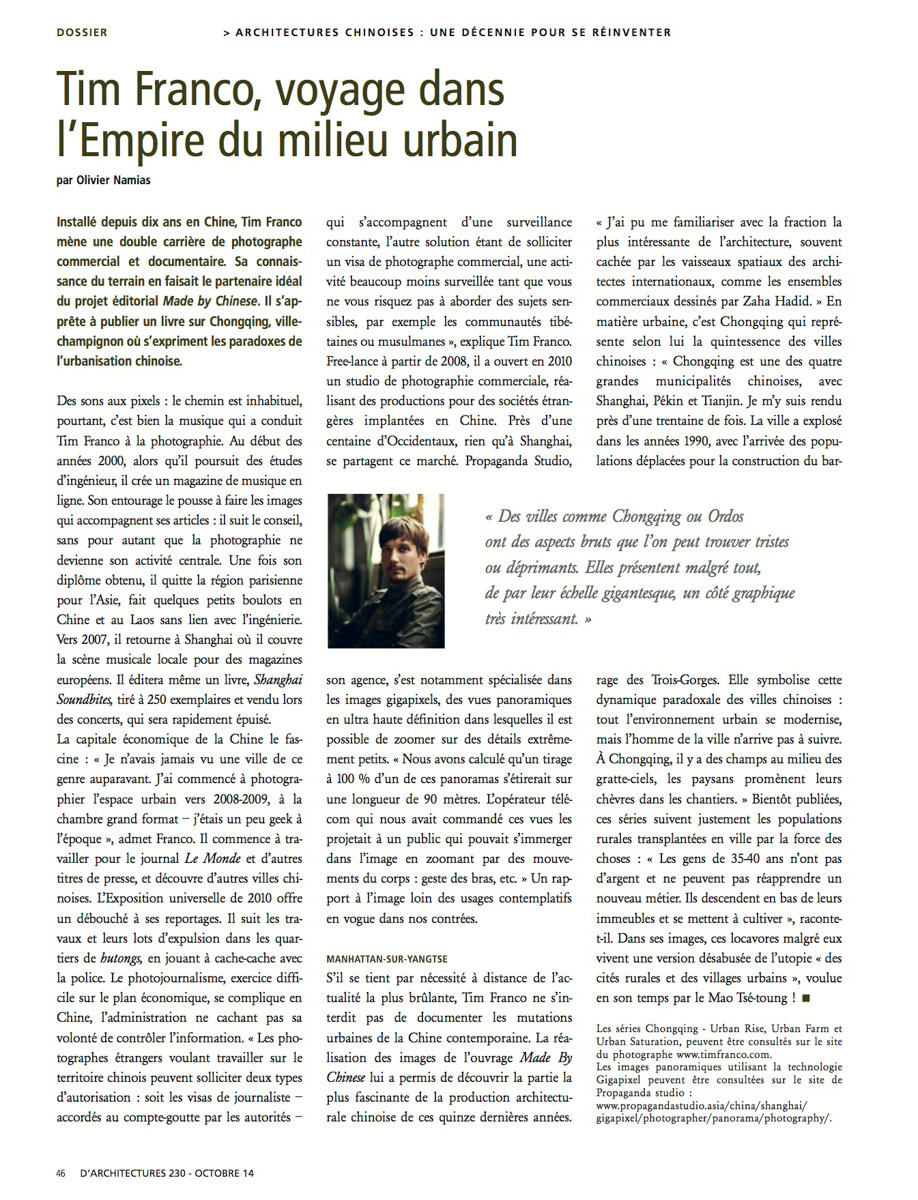
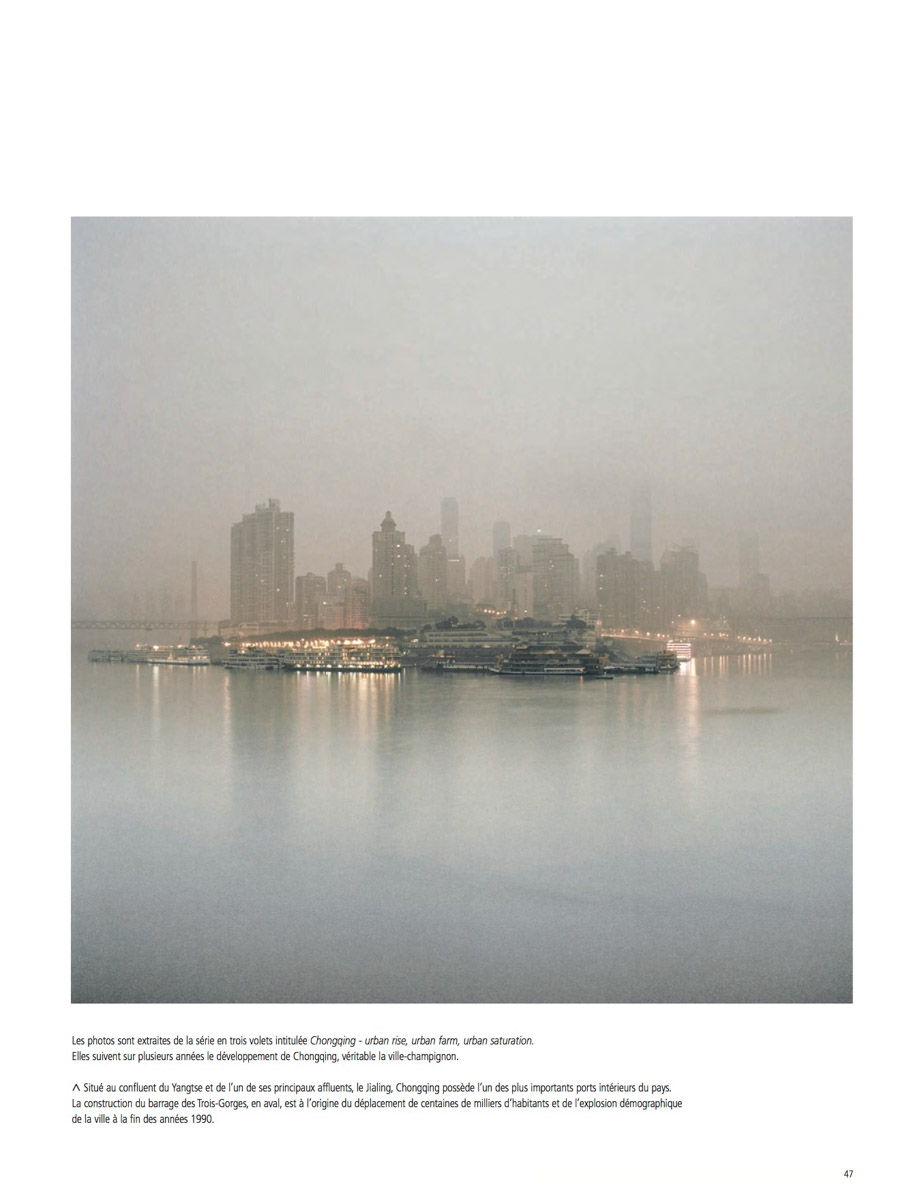
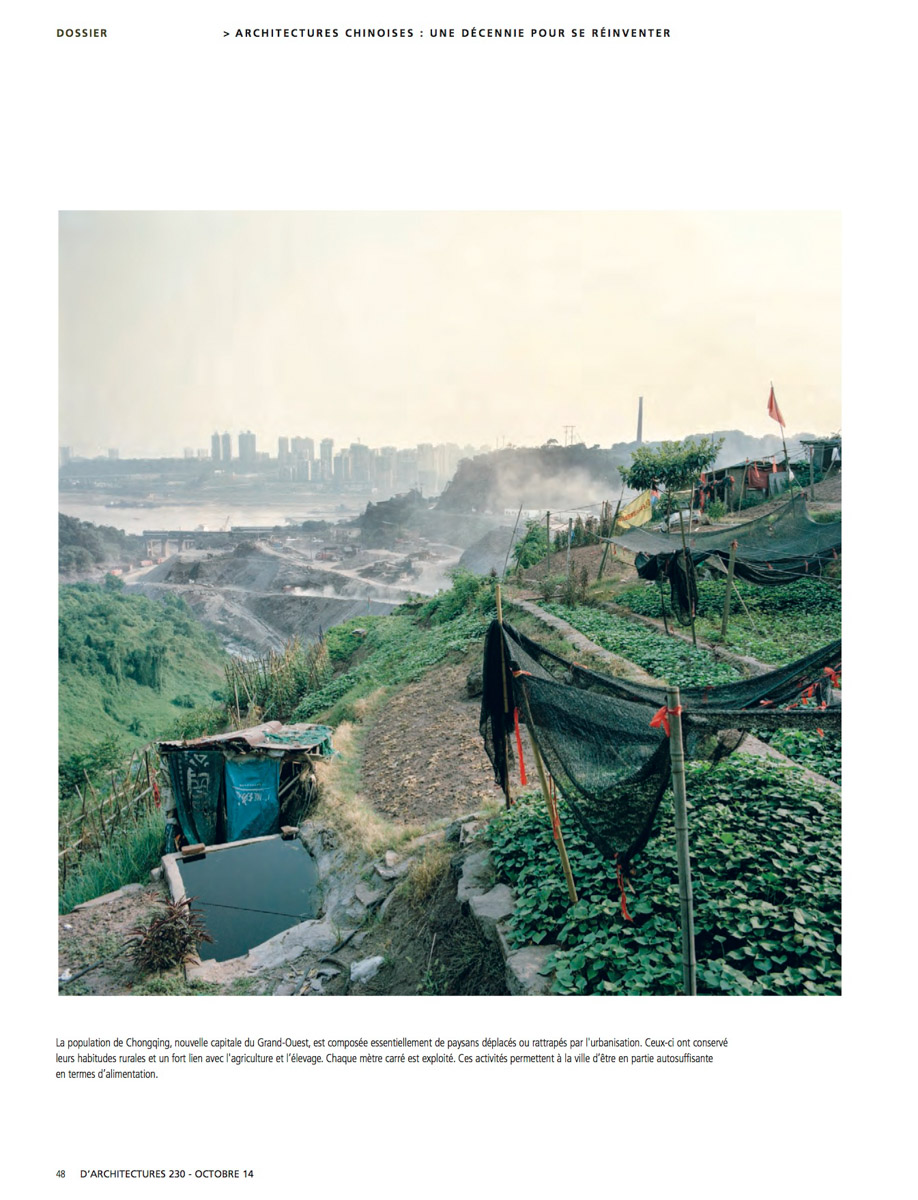
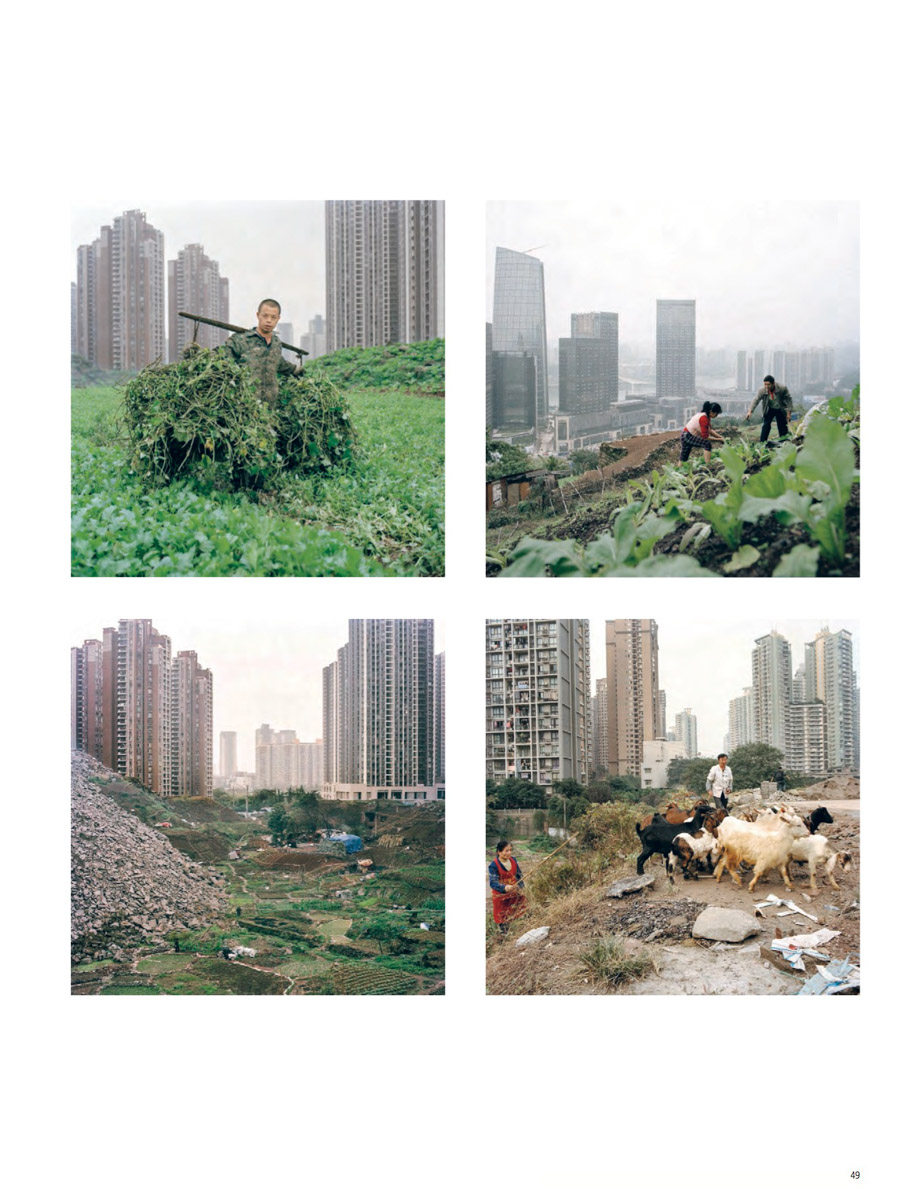
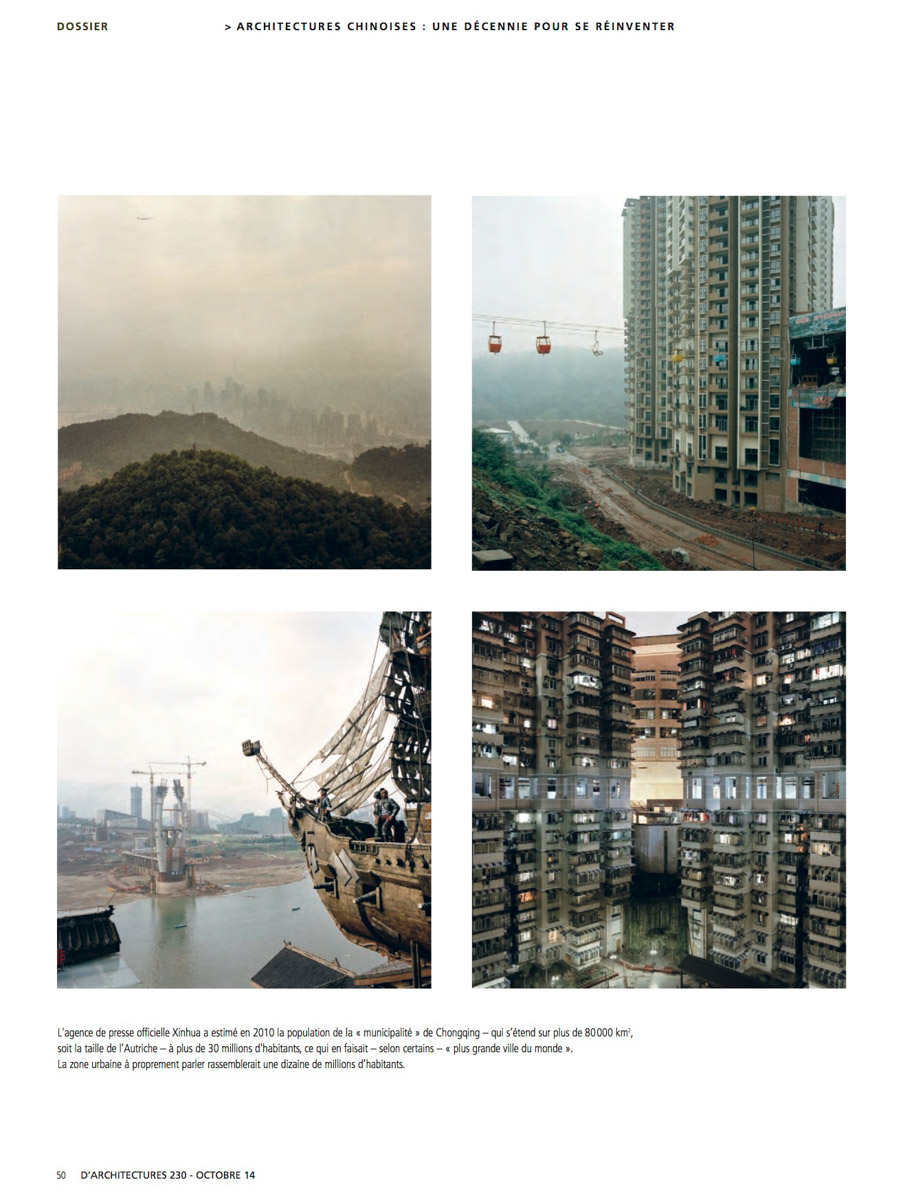
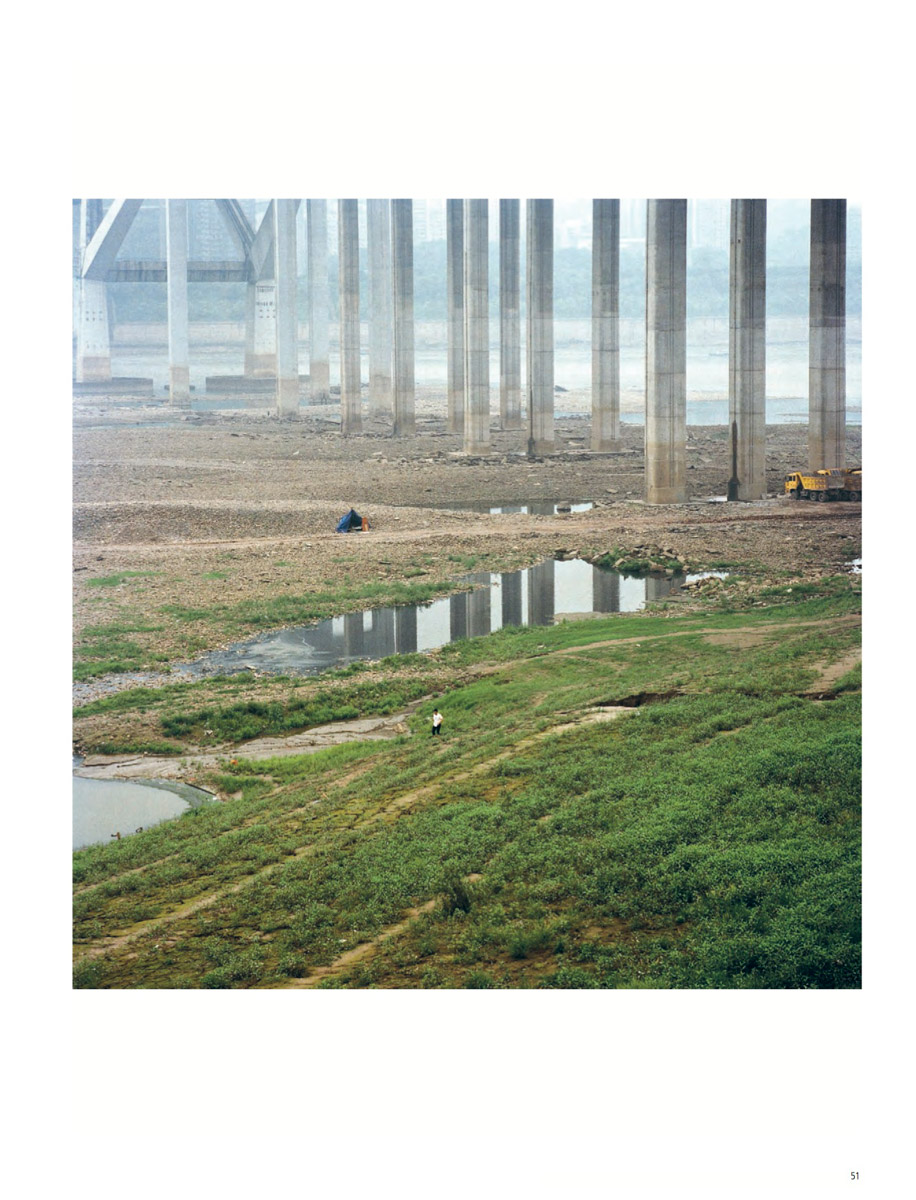
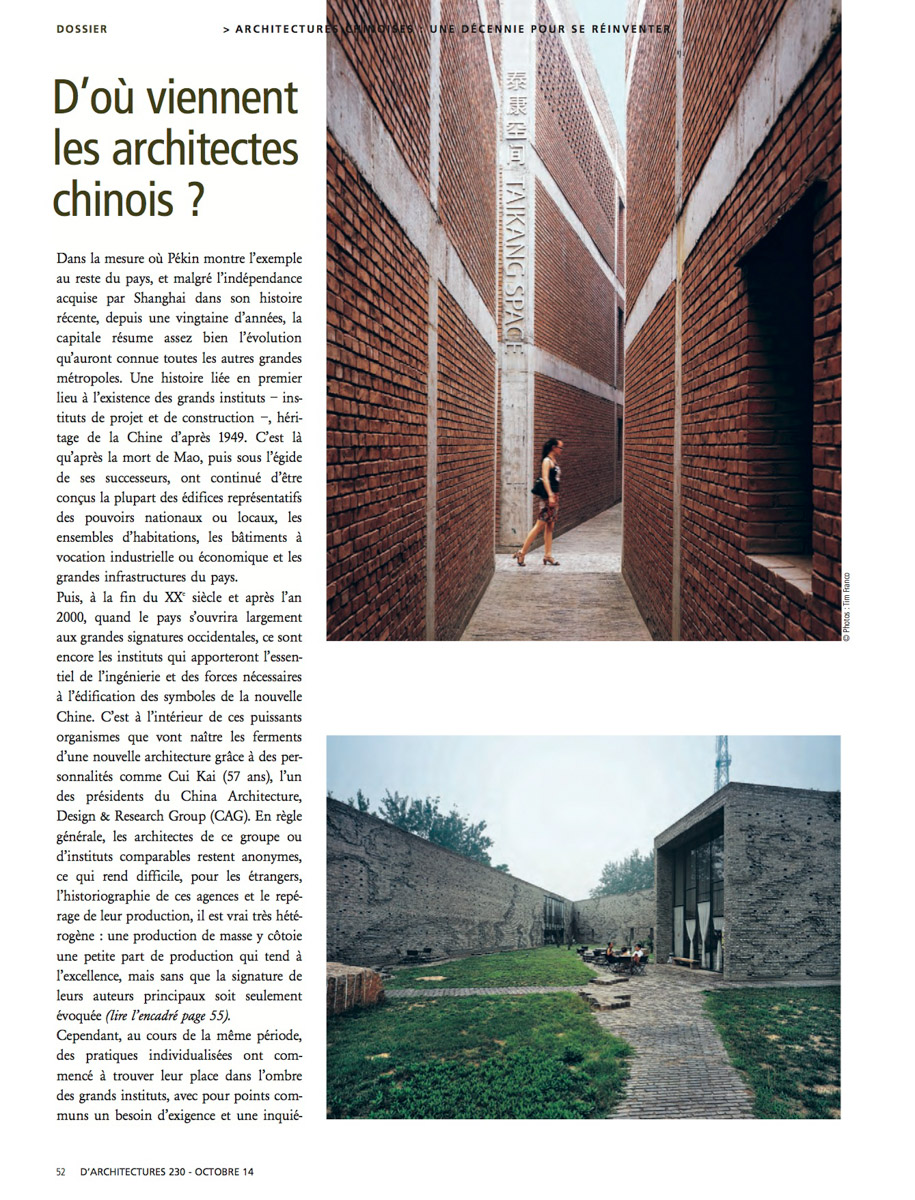
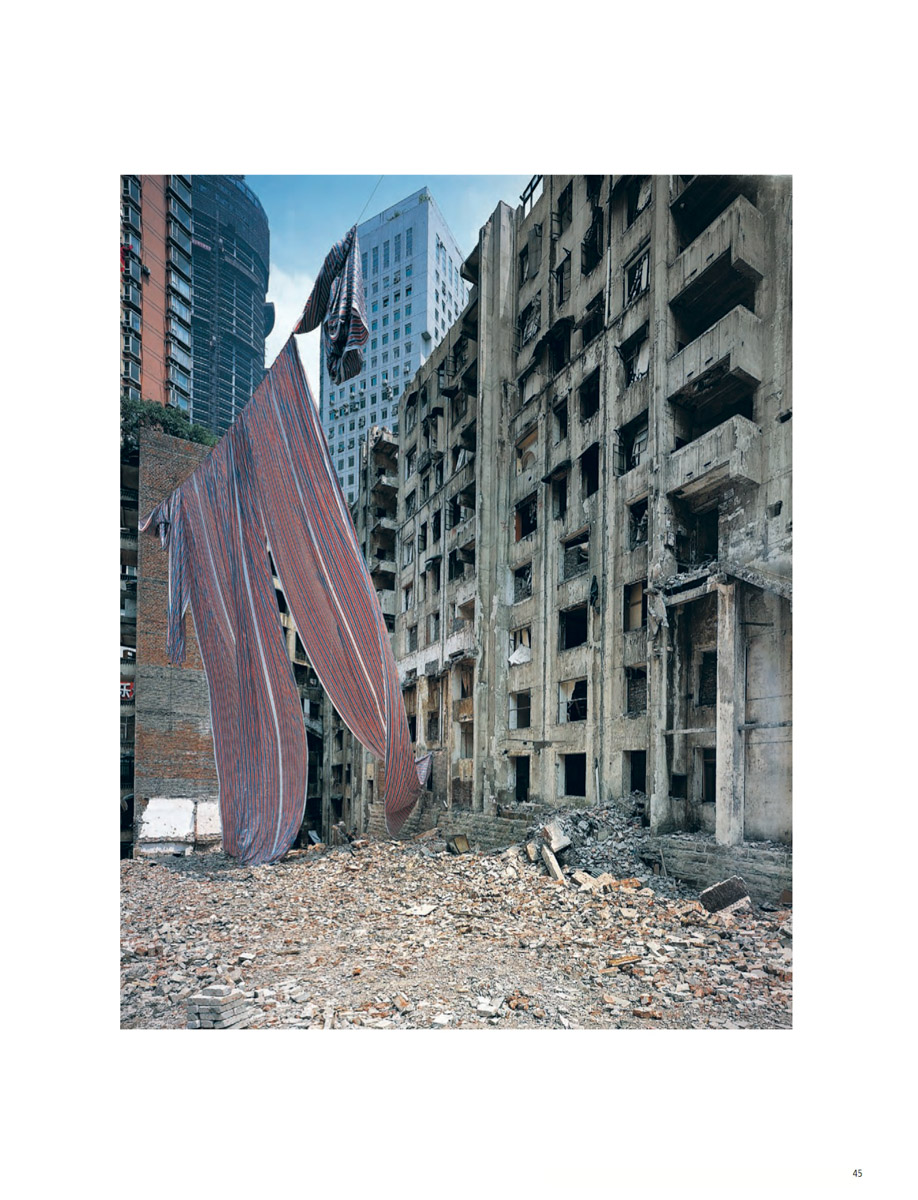
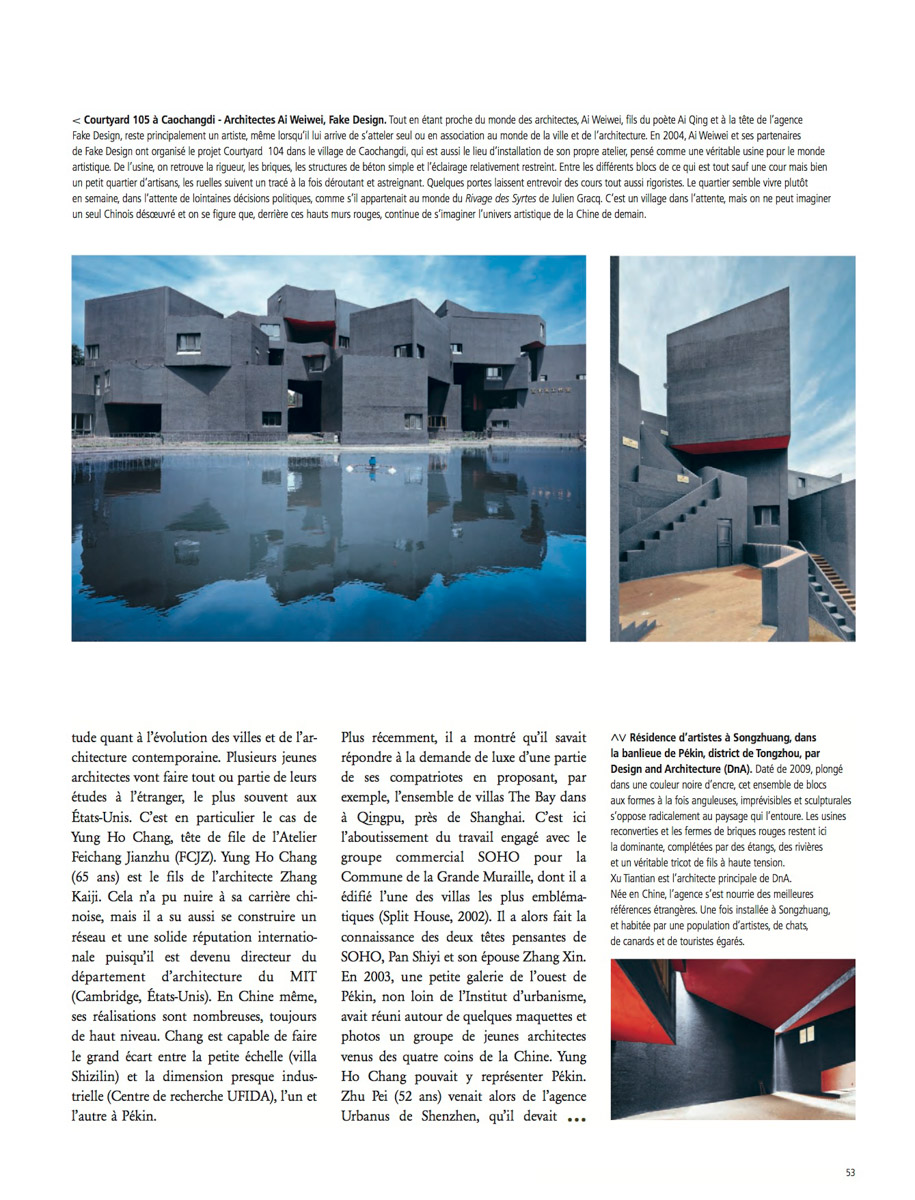
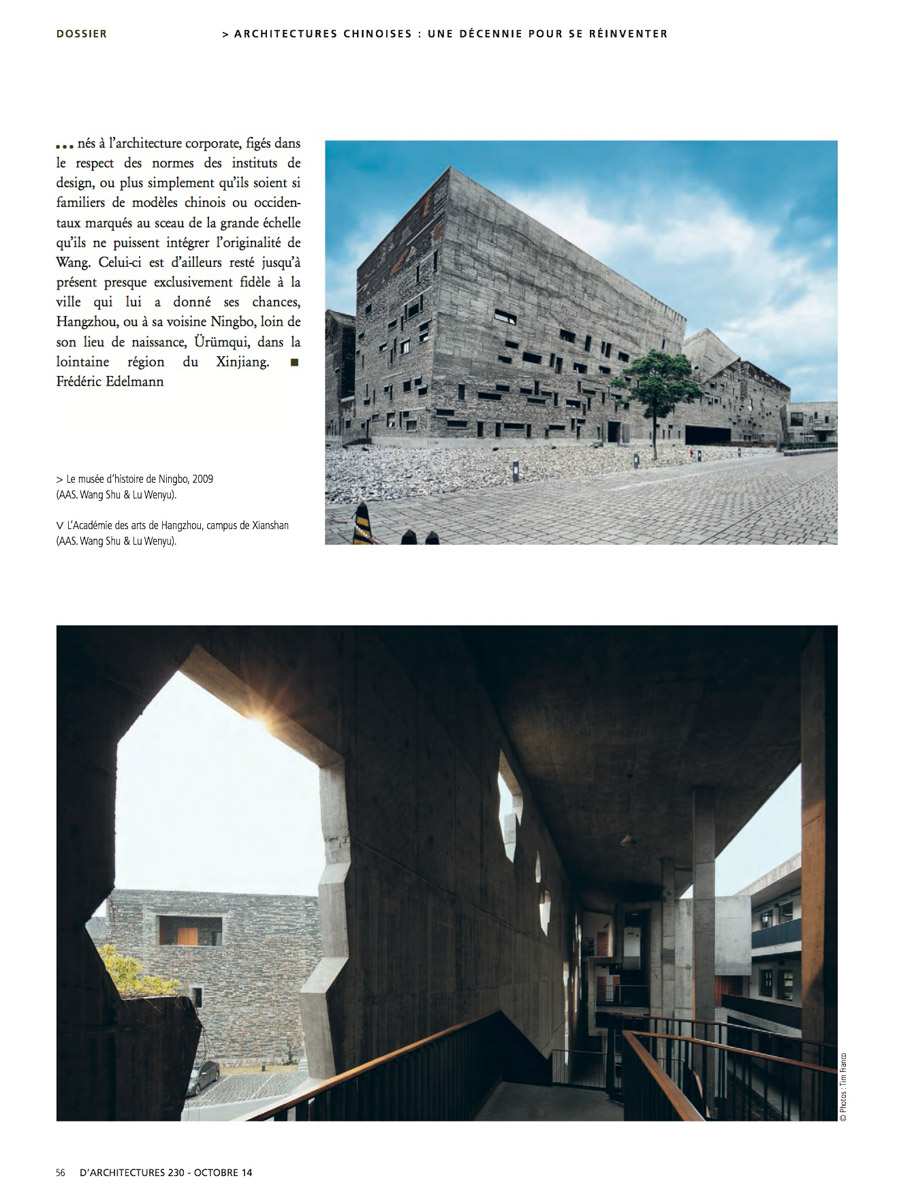
This month ( october ) issue of french magazine D'Architecture is featuring a long story on Chinese Architecture. The article is presenting "Made by Chinese" my recent book released with Frederic Edelmann about Architecture and Urbanisation in China. The Magazine also feature an interview and presentation of my latest Chongqing project ! Its very nice to see all of this coming together !
Chongqing Project feature in 6 mois & Visa Festival
As I am spending a lot of time working on the book publication of my Chongqing Project, I had the pleasure to see the Chongqing series published in a 22 pages feature in french photographic magazine 6 mois. The series was displayed by the magazine at the Visa pour l'image festival in Perpignan. Please find
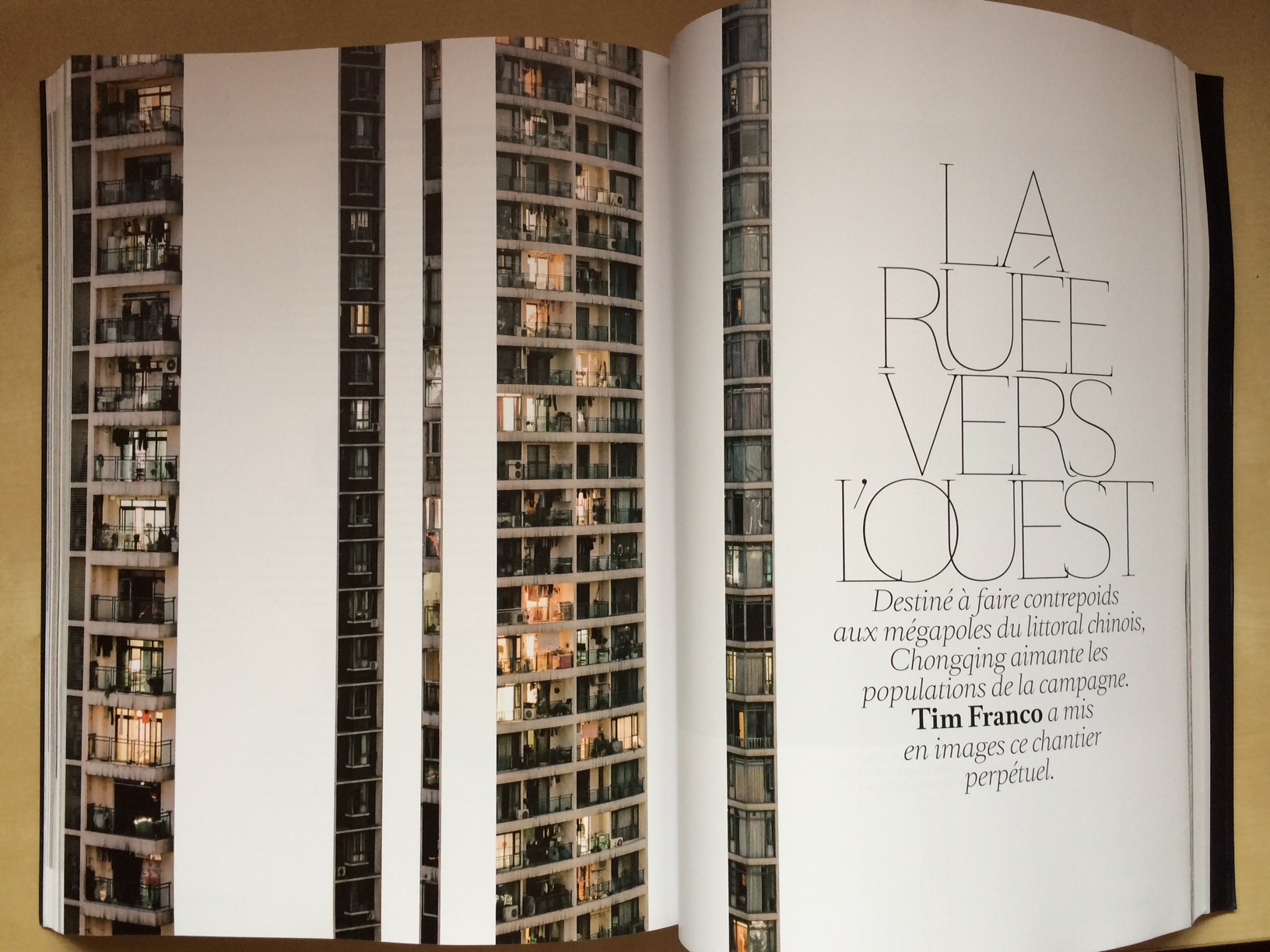
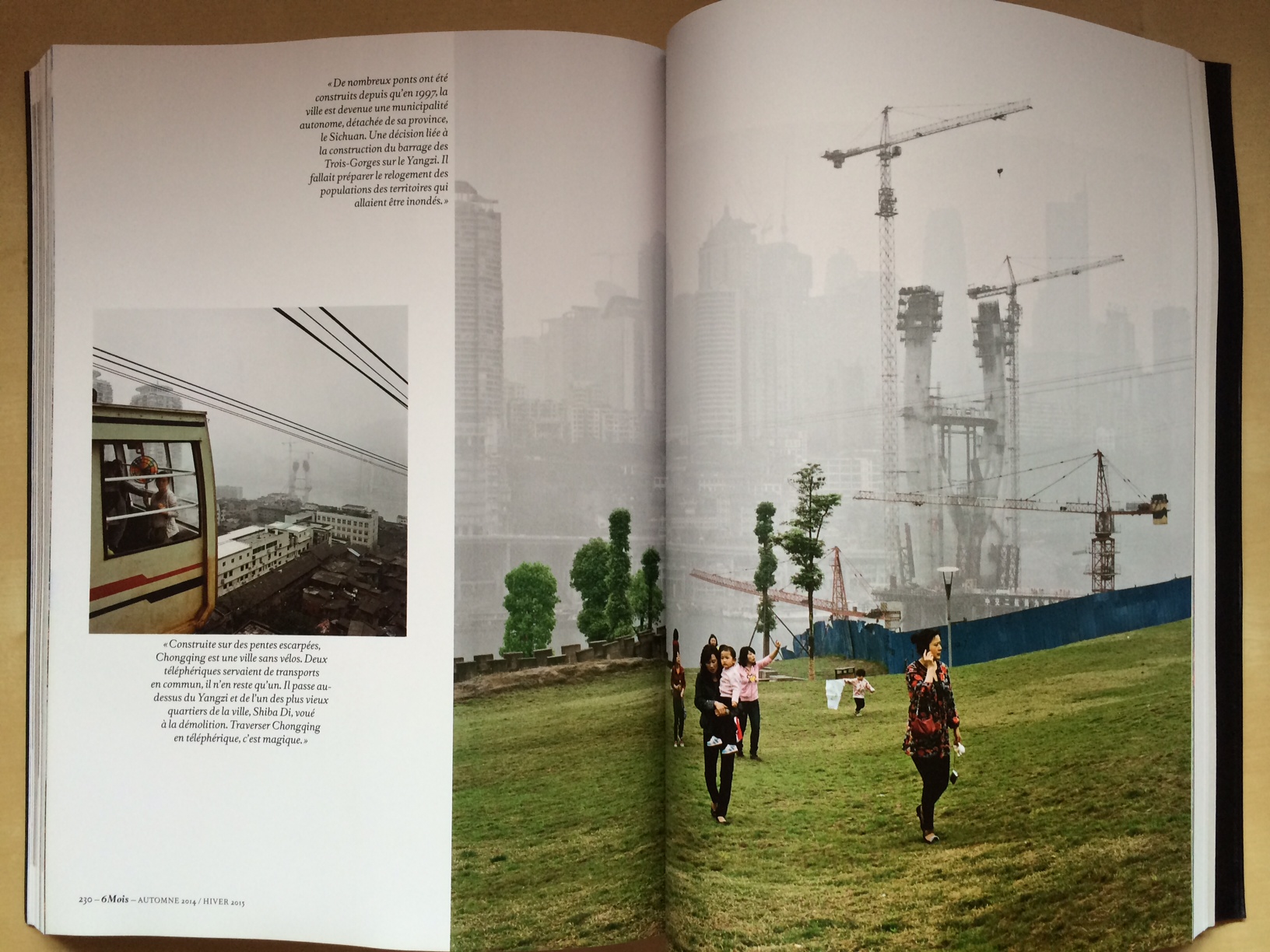
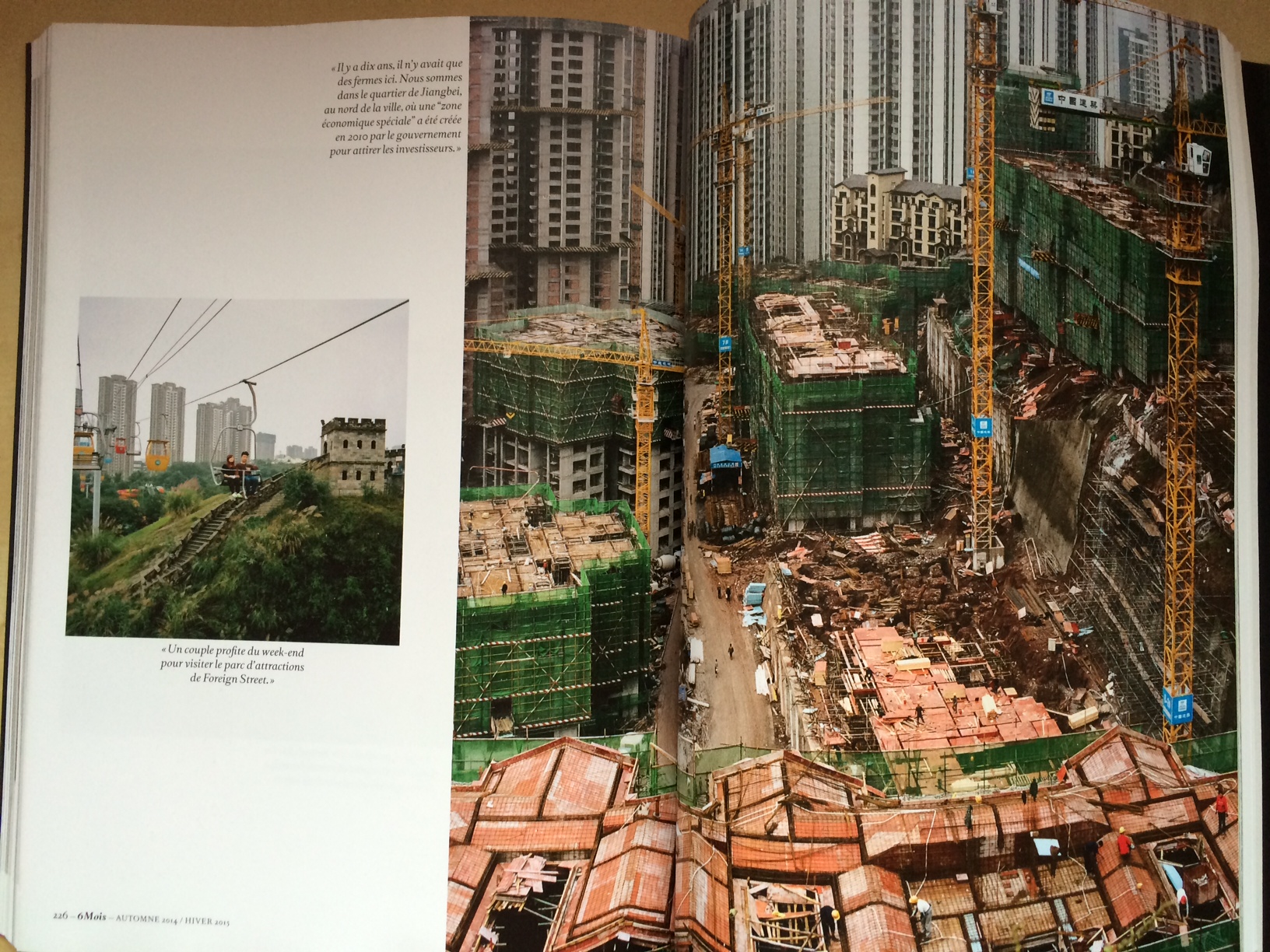
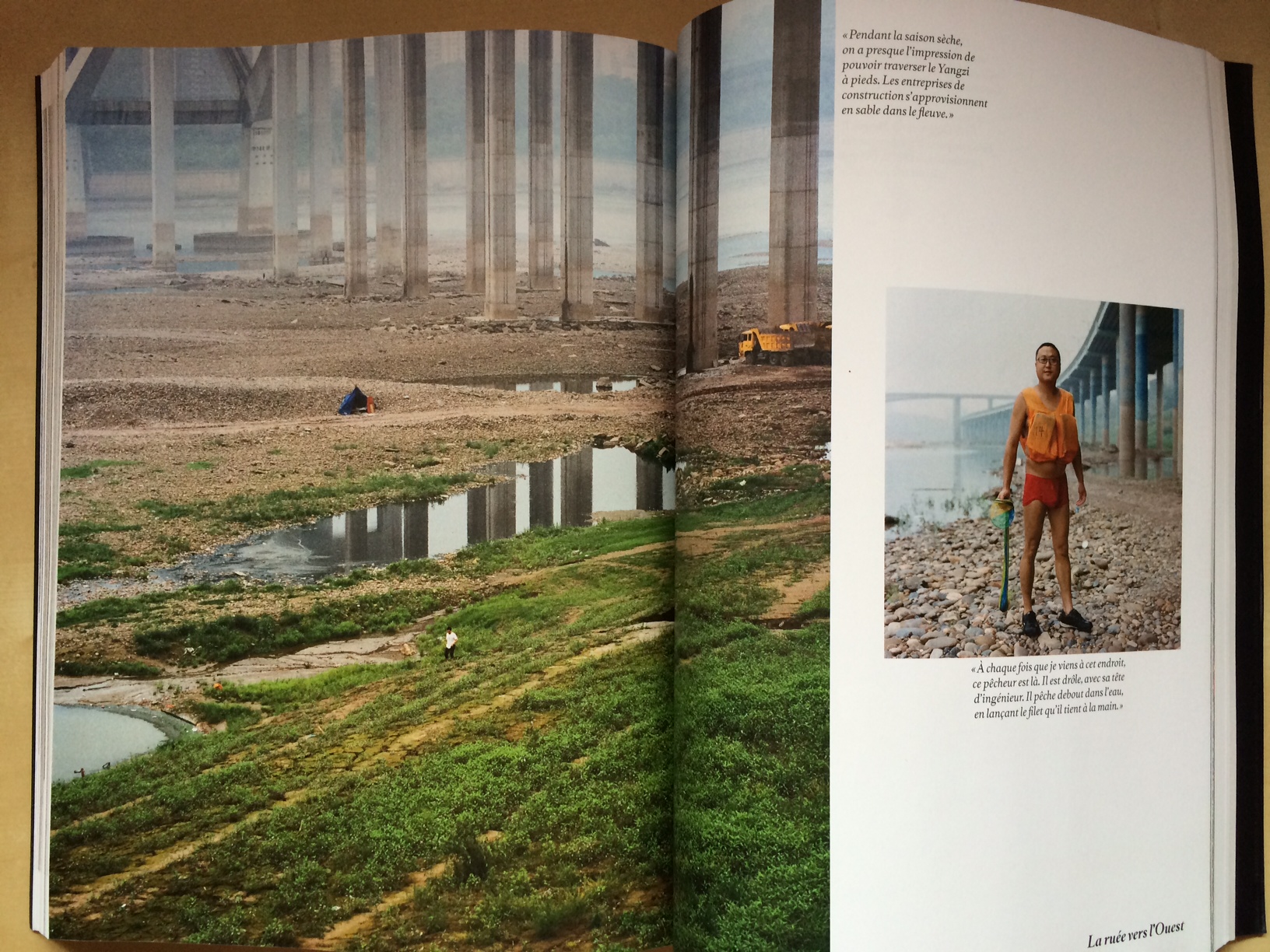
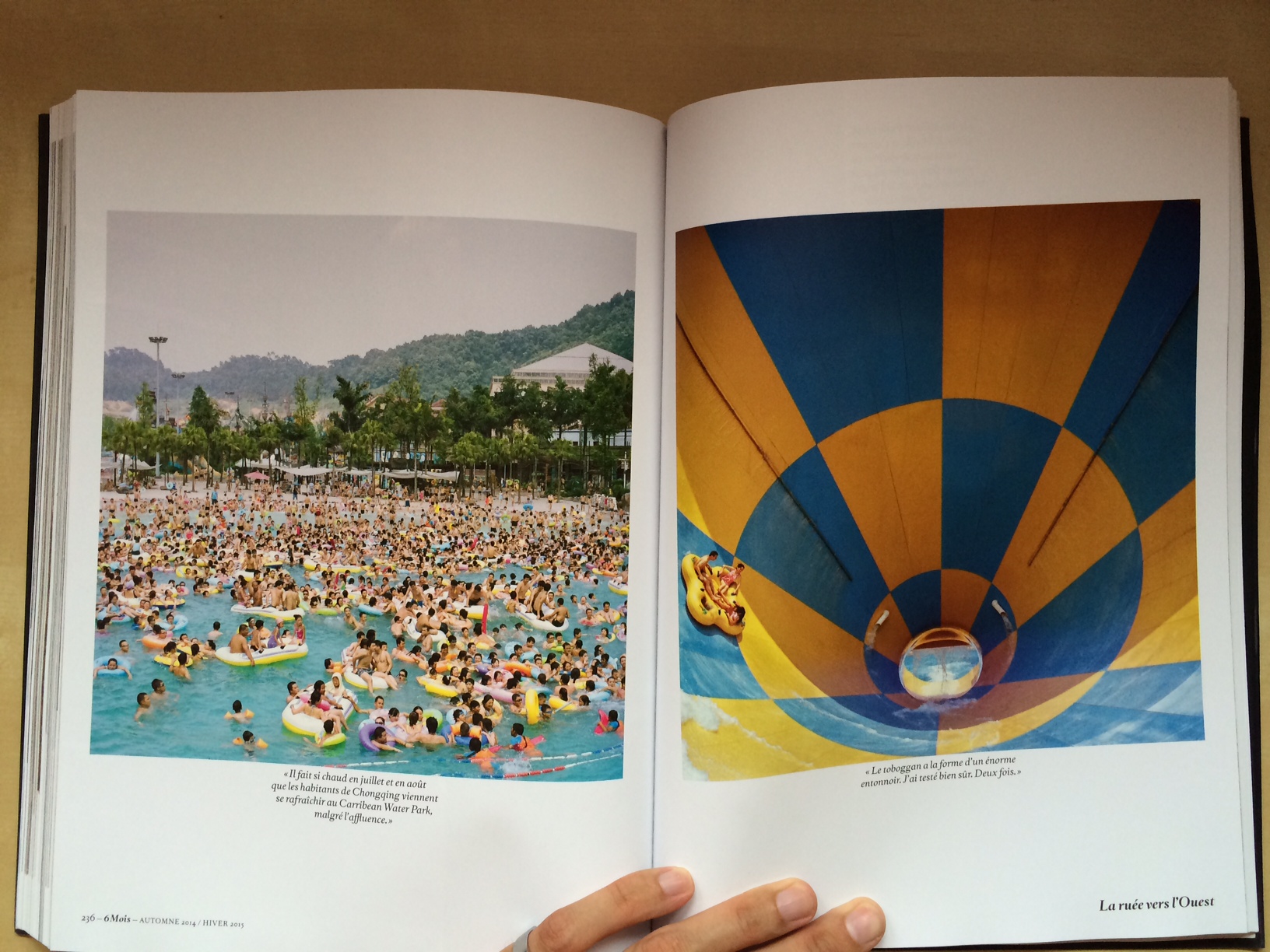
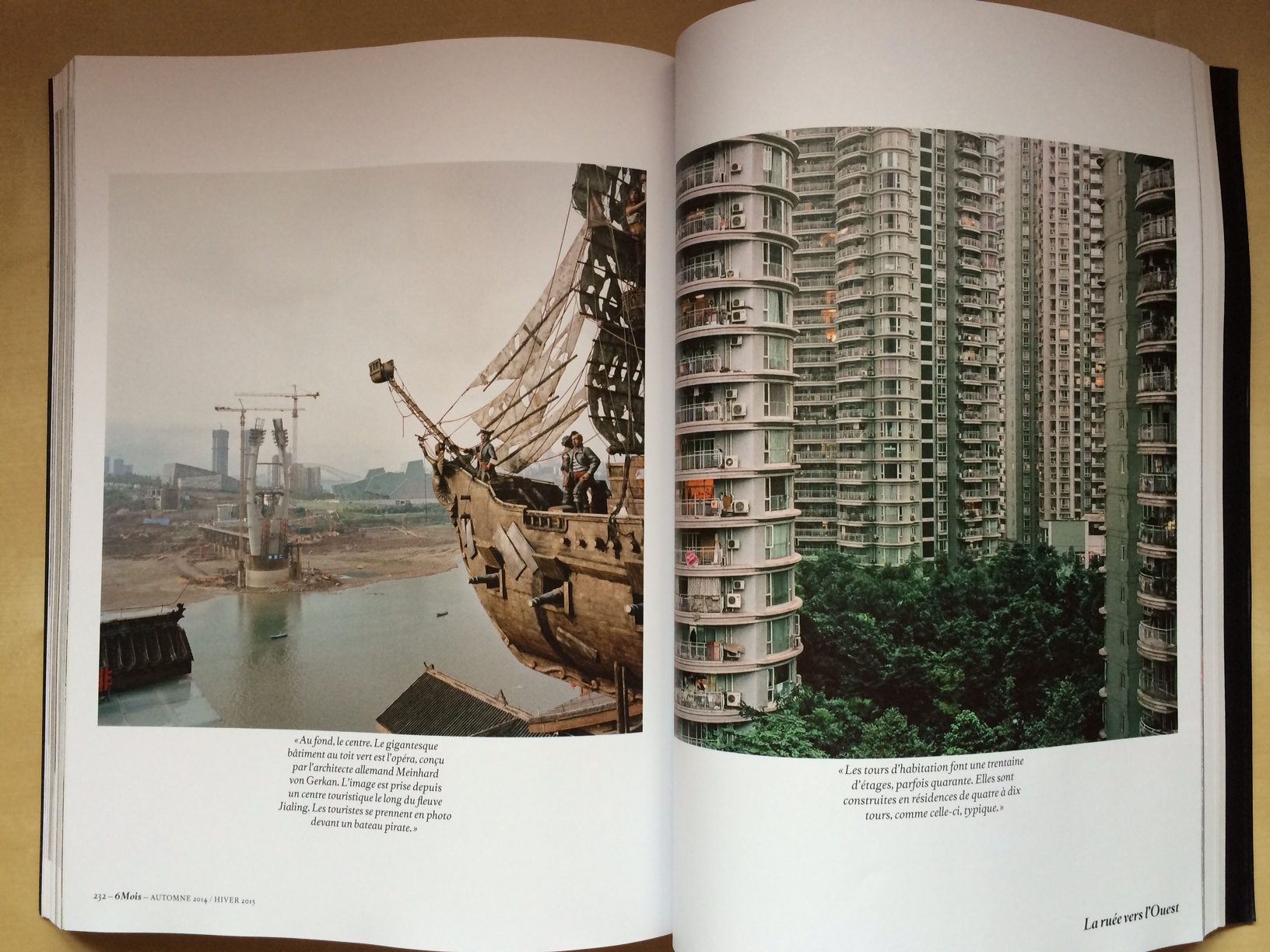
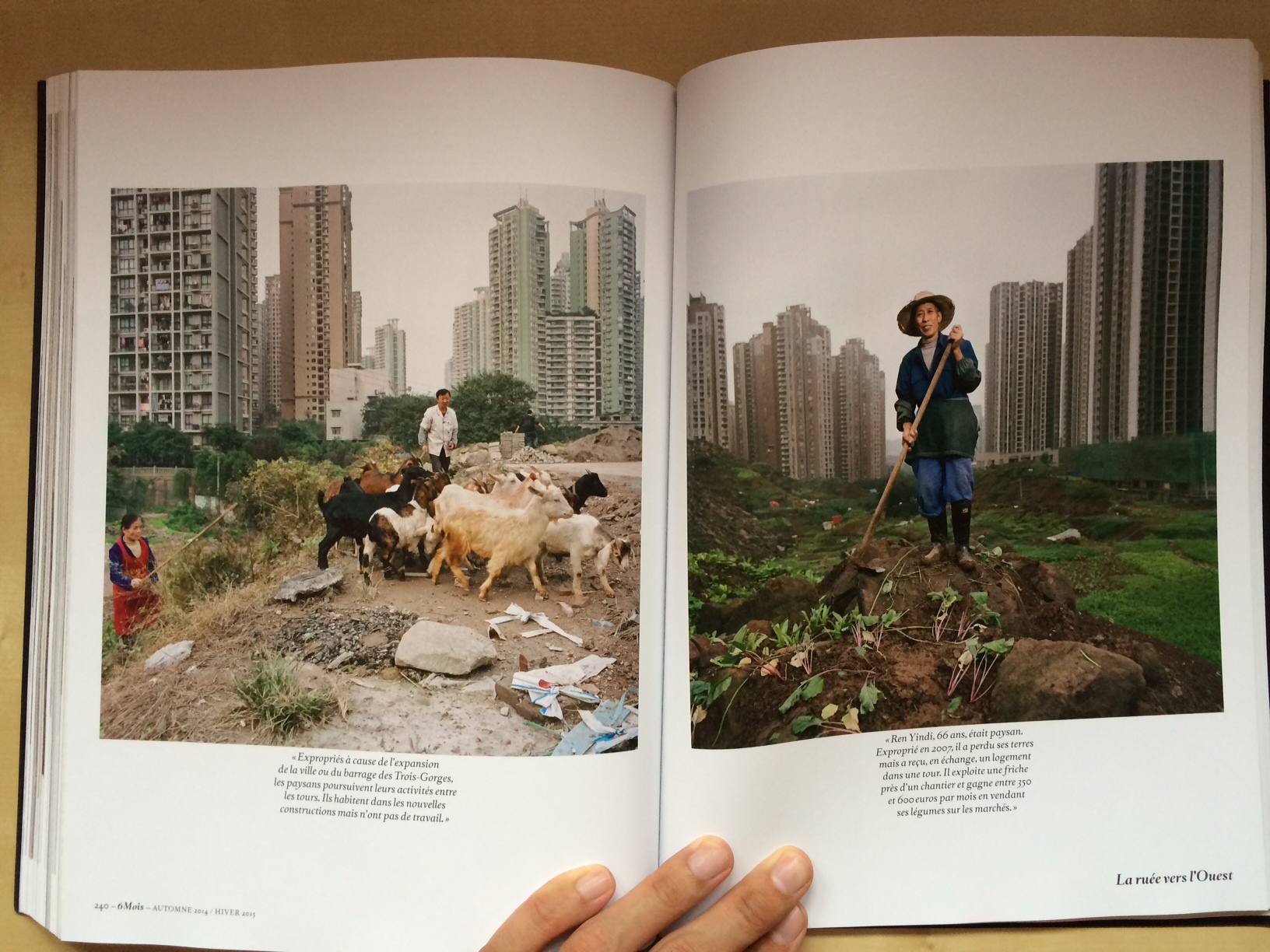
More info on the feature here:
Chongqing - high above the farmlands
As this summer sees the last run towards the editing of my upcoming book about Chongqing, I am sharing here some of the most recent images . While traveling through the city and around, you cannot help but notice how hard the urban structure are trying to take over what was once a big farming community. Here south the the Yangtse river, a bridge arrives above a farming village with one of the highest arch junction int he world ( 420 meters ) . The Caiyuanba bridge joins the Central Yuzhong district to Nanping.
The bridge and its arch seen from the Nanping district
Chongqing - destroying the past
Since my first time in Chongqing in 2009, I have been going back as regularly as I could strolling and exploring the city. in 2011 as I was visiting the older part of the Yuzhong district, I came across an interesting area pictured in the below photograph. As I asked about it, I soon found out that it was the remains of an old Ming dynasty Government building. The site was quite amazing as it was surrounded by gloomy looking housing project. Last month, as I went back in this particular area, I found out that a construction site has been started on the western part of the lot and all the rest of this archeological site has been left to total chaos. This really shows again how the city struggles with its growing population and its urban planning.
2011 photos of the Remains of Ming dynasty government building in the middle of Chongqing
Same site in 2014 - a construction site has been started and the remains of the archeological site has been abandoned.
Chongqing IFC or Hong Kong wannabe
In another case of copied architecture, the Chongqing CBD in Jiefangbei also includes an IFC office tower which is extremely similar to its Hong Kong building. Another case of how local urban planner loop up to famous cities and architects and try to copy / paste them instead of trying to come with their own identity. The Chaoptienman ( tip of chongqing peninsula ) is also seeing its old port destroyed to give a place to a similar building to the famous Singapore Sands hotel & casino... Chongqing, wannabe the modern metropolis of china but if the trend continues, it will look more like a mix of other famous cities paste into one.
Chongqing IFC in the middle of the Jiefangbei area
Fake Zaha Hadid in Chongqing
As Chongqing is running towards its urbanisation and modernisation, local urban planner and authorities want to have the best and the fastest, even if it means cloning famous buildings from architects from other cities. In the new development area of Chongqing, a copycat of unfinished Beijing Zaha Hadid project has been build in the middle of the fields
The copycat building is located in the Jiangbei district of Chongqing
Some workers taking a rest inside the project
the project is surrounded by farm field, factories and housing projects
The issues has been raised in many publications, you can read more here in an article from the Spiegel online:
here is a render of the original project currently being finished in Beijing | render from Zaha Hadid
Urban Farming in China | Chongqing Series
The latest part of my Chongqing project is focusing on the Urban Farming phenomenon in China

Ren Yindi. After following the transition from an Rural Hukou to an Urban one, he could not find any other way to provide for himself and his family than to go back to farm whatever lands was available around his apartment in a high rise tower.
Urban farming is so common in Chongqing that it is part of the city’s landscape. From small pieces of land on the side of a road to mud hills on giant construction sites, every piece of earth is good to be farmed. Unlike in the West, where well-educated urban residents are turning to urban farming as a hobby or as part of a hip, modern lifestyle, urban farming in China instead points to the heart of several issues surrounding rapid development and, at times, forced urbanisation. China faces the need to alter its economy away from an over-reliance on exports and towards an economy that has a healthy domestic market of its own. While China’s urban population is developing consumer habits already, China’s rural population exists largely at subsistence level, and contributes almost nothing the consumer economy. The Chinese government understands that if this population were moved in to cities then it would no longer be self-sufficient, and would therefore depend on - and contribute to - this consumer ecosystem. Urbanisation then, is one of the most important tools China has in strengthening its economy. Of the four municipalities of China, Chongqing is the only one that holds a significant rural population - around two thirds of the municipality’s 30 million residents are rural - and as such, Chongqing is leading the way for urbanisation in China.
Chongqing plans to urbanise half of its rural population within a 10-year period, meaning a full 10 million residents will need to transform their lives from that of a rural existence to that of an urban consumer between the years of 2007 and 2017. While some rural residents move to the city out of choice, others are relocated to the city by the government, and many of these are ill-equipped to deal with city life. They may have little or no formal education and a great deal of residents struggle to adapt to urban life. Instead of joining the commerce economy, some return to what they know; farming, and they do this wherever they can find unused land.

Huang Chunying and her husband work barefoot on a land above the new business developments of the Tiandi Project.

One of the many walls of china | between fast urbanisation and its population trying to catch up.

Wang Chengyun helping his uncle to clear lands in the new developed district of Jiangbei in Chongqing

One of the newest addition to the modern Chongqing landscape, the Tiandi business center.
More of those photos directly on the website porfolio:
http://www.timfranco.com/chongqing-urban-farm/
China File also published the story this week :
http://www.chinafile.com/multimedia/photo-gallery/Between-Rock-and-Hard-Place
Muslim Women in Shanghai
More of my photos on the muslim community in Shanghai. A few portraits of the women around the Shanghai Mosque waiting during the men's prayers.

Muslim woman taking care of the kids during the friday prayer in Shanghai

Women preparing and buying food during the men's prayer in Shanghai

Ghost Cities | China Property market Issues
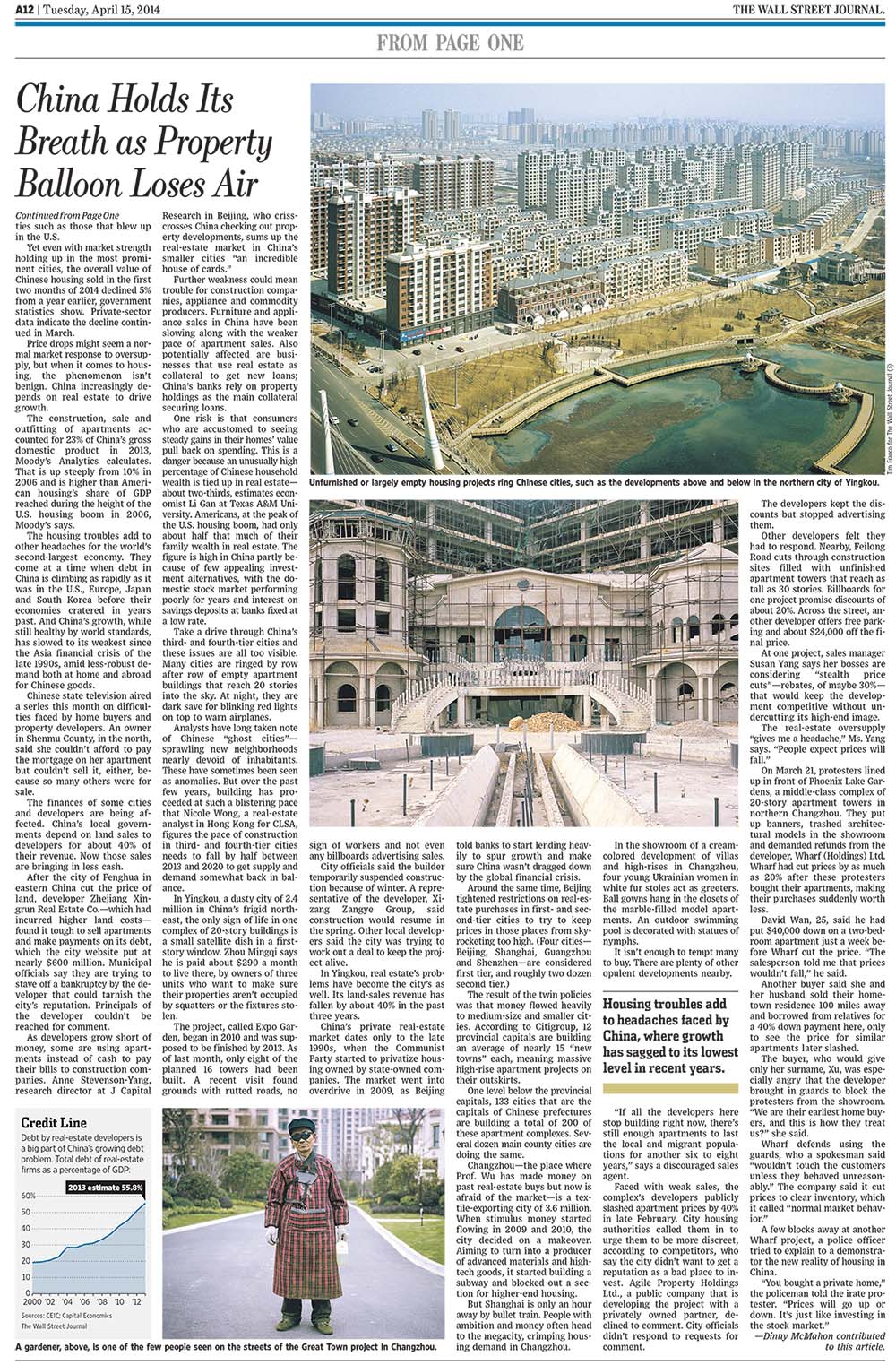
More photos from my work on ghost cities around China that are part of the story I did for the Wall Street Journal ( see post below ).
An abandonned housing complex in yingkou China
An old man resting on pack of straw in the middle of Yingkou new Harbour district
The Yingkou Olympic Stadium
The Yingkou new district city scape
Abandoned road in Yingkou downtown
Yingkou Beach
Ghost Cities | Housing Issues for the Wall Street Journal
Tearsheet from the Property Market story on ghost cities I did for the Wall Street Journal. More to come soon. More of the photos on the Wall Street Journal site here : http://online.wsj.com/news/articles/SB10001424052702303663604579502581655880044#eos
Shanghai Muslim Community
Muslim in China represents 1.6 % of the population, meaning more than 21 million of Chinese are adherents of islam. Even if they are mostly located in Western region such as Xinjiang, Gansu and Ningxia, muslim Chinese are spread all around China. Their integration in Chinese society, especially for Uyghurs ( Mostly from Xinjiang 10 M of them in China ) is often echoed with problems. While a minority pleads for East Turkestan ( Xinjiang ) 's independence, the rest is trying to go on and adapt to China although racial profiling is quite frequent and muslim Chinese from western region often occupies the lowest jobs in the city. As islam integration is a global subject, I decided to explore more the situation in Shanghai, the most active city in China and look at how the local muslim community was integrating and living. This is an ongoing project.
Men waiting for the beginning of the friday prayer at Shanghai Mosque
The Shanghai Mosque is located in a residential area surrounded by high rise housing projects making it almost impossible to see it from the street. The place itself is too small to welcome the thousands who come to the friday prayers.
Praying mats are at disposal and placed outside the Mosque in the parking lot of the residential area near the garbage center.
Men are preparing lamb dumplings in the Market after the friday prayers behind the shanghai mosque.

A van loaded with Lamb meat for the friday market near the Shanghai Mosque
A muslim woman preparing food at the friday market near the Shanghai Mosque
The Shanghai Mosque viewed from on of the housing tower window.
Seoul urban study and cityscape
Itaewon at dawn
Gangnam offices at dusk
Central Seoul at dusk
Gangnam main shopping area
Itaewon
Seoul is connected & wired through the latest and fastest online technologies. It is also a new city, mostly reconstructed after the Korean War, its large avenues and modern buildings seems endless in the center and spreading through beautiful mountains surrounding the city. It gives this megapolis a unique energy. While modern & tall buildings can be found in various part of the city, they always surround smaller and more intimate districts made of small alleys , traditional houses and business. Christianity is also an important part of modern Korean culture. In any district, the neon litted crosses can be seen from afar.
This urban study made with a traditional 4x5 large format wooden field camera in film aims to document the urban enviornement of the South Korean Capital.